Universal Pumping | High Pressure Pumps
High Pressure Pumps for Difficult to Pump Slurry, Sludge, and Food Waste.
Diaphragm pumps are essential tools in various industries, including pharmaceuticals, food processing, and water treatment. Choosing the right diaphragm pump can be challenging for global buyers, given the myriad of options available. This guide aims to simplify that choice, emphasizing the importance of understanding your specific needs.
When selecting diaphragm pumps, consider key features such as flow rate, material compatibility, and operational efficiency. Each application has unique requirements, and a one-size-fits-all approach rarely works. As a buyer, you must reflect on these aspects to make an informed decision. Additionally, the reliability of the manufacturer plays a crucial role. Trusted brands often provide better warranties and support.
With the growing demand for diaphragm pumps, new technologies are constantly emerging. Staying updated on these innovations is vital. However, many buyers overlook this aspect, focusing solely on price. Remember, investing in a quality pump can lead to better performance and lower long-term costs. Take the time to evaluate options carefully; doing so can yield significant benefits for your operations.
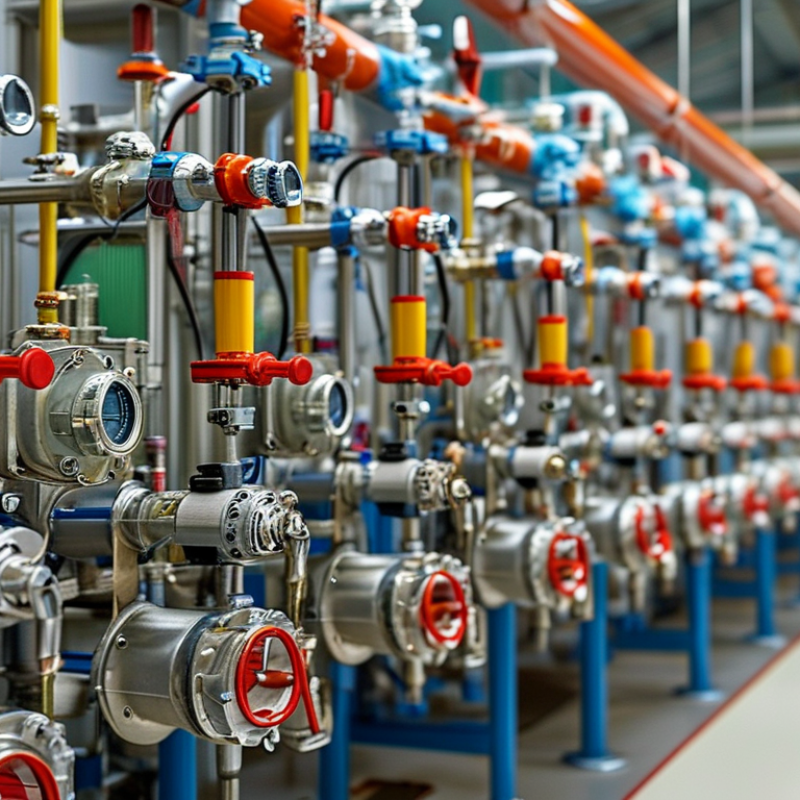
The global diaphragm pump market is evolving rapidly. Various sectors rely on these pumps for fluid transfer. Industries such as water treatment, chemical processing, and food production are primary users. Each application requires specific features, affecting pump selection. Buyers must consider factors like flow rate, material compatibility, and maintenance needs.
Emerging trends highlight the importance of energy efficiency and advanced materials. Manufacturers are focusing on creating pumps that consume less power. Additionally, lightweight materials enhance portability and ease of installation. However, the market faces challenges, including supply chain disruptions and material shortages. These issues can impact delivery timelines and costs.
Buyers should reflect on their unique requirements. Not all pumps serve every purpose effectively. Understanding the application context is crucial for effective decision-making. It's important to assess both short-term needs and long-term reliability. A focus on sustainability and performance will guide future purchases in this competitive landscape.
| Pump Type | Max Flow Rate (L/min) | Max Pressure (bar) | Material | Applications |
|---|---|---|---|---|
| Air-Operated Diaphragm Pump | 120 | 8 | Polypropylene | Chemical Transfer |
| Electric Diaphragm Pump | 150 | 10 | Stainless Steel | Food & Beverage |
| Hydraulic Diaphragm Pump | 80 | 12 | PTFE | Pharmaceutical |
| Solenoid Diaphragm Pump | 50 | 4 | PVC | Water Treatment |
| Mini Diaphragm Pump | 30 | 3 | Nylon | Laboratory Use |
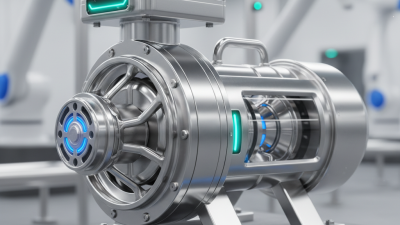
When selecting diaphragm pumps, several key factors come into play. Buyers need to consider the application. Different industries have unique requirements for fluid handling. For instance, a pump used in food processing needs to meet strict hygiene standards. The chosen diaphragm pump must also handle specific fluid types, like viscous or abrasive materials, effectively.
Material compatibility is another critical factor. The wrong material can lead to corrosion, reduced efficiency, and premature failure. Assessing the chemical nature of the fluid being pumped is essential. For instance, corrosive fluids like acids require pumps made from resistant materials like polypropylene or PTFE. Failure to do this can result in costly repairs or replacements.
Lastly, the pump’s flow rate and pressure ratings are vital metrics. They dictate the efficiency and performance in any setup. Buyers often overlook these specifications, leading to underperformance. Proper sizing and matching of the pump to the system requirements can prevent future operational issues and ensure reliable service.
As diaphragm pumps evolve, a detailed comparative analysis of leading brands reveals crucial insights for global buyers in 2026. Industry reports indicate that the diaphragm pump market is expected to grow at a CAGR of 5.7% from 2023 to 2028. Various factors contribute to this growth, including advancements in technology and the rising demand for environmentally friendly pumping solutions.
When evaluating diaphragm pumps, consider key performance metrics such as flow rate, material compatibility, and operating pressure. Some brands specialize in high-flow applications, while others excel in chemical compatibility. A survey from a leading industry research firm indicates that 78% of users prioritize reliability over cost. This insight highlights the importance of selecting pumps that offer durability, especially for demanding applications in industries like pharmaceuticals and food processing.
Maintaining proper pump maintenance is often overlooked. Regular inspections can prevent costly failures later. Research suggests that 30% of pump failures are linked to inadequate maintenance practices. Always keep records of service and performance for better troubleshooting. Choose pumps that offer easily accessible service points, ensuring quick upkeep and longevity.
When selecting diaphragm pumps, technical specifications play a crucial role. Important factors include flow rate, pressure range, and material compatibility. For example, a report by Global Industry Analysts highlights that the demand for pumps with higher flow rates continues to rise. The report states that 60% of industrial applications will require pumps capable of handling up to 150 gallons per minute by 2025. This is essential for users needing efficient performance in various industries.
Material choice is also vital. Many diaphragm pumps use elastomers and plastics that resist chemical degradation. The right material can impact a pump's lifespan and efficiency. A 2022 study found that pumps using advanced materials showed a 30% increase in durability. This is a significant consideration when evaluating long-term investments.
Another aspect to consider is ease of maintenance. Several diaphragm pump designs require minimal dismantling for servicing, which can save time and reduce downtime. Many operators overlook maintenance procedures, leading to inefficient operations. Keeping these factors in mind can lead to more informed decisions.
Understanding market insights for diaphragm pumps in 2026 is essential for buyers. Pricing trends will significantly impact procurement strategies. Demand is expected to rise in various sectors including agriculture and chemical processing. It’s crucial to study these trends closely, as they indicate supply chain dynamics and competitive landscapes.
Investing in research can provide deeper insights. Analyzing regional variations in pricing might reveal opportunities for cost savings. Consider consulting industry reports and expert analyses to stay informed. Buyers should also monitor technological advancements. These innovations could lead to more efficient pump designs. Keeping an eye on developments can provide a competitive edge.
Pay attention to supplier reliability. Sometimes, cheaper options may compromise quality. Building long-term partnerships with trustworthy suppliers is wise. Reliable pumps can ensure operational efficiency and minimize downtime. Reflect on the balance between cost and quality when making purchasing decisions.
Universal Pumping
625 Apache Trail
Woodstock, GA 30189
Mon - Fri | 9:00 AM - 5:00 PM
Universal Pumping is staffed with industry professionals with 20-45 years experience with high pressure pumping systems. We represent only the “elite producers” in pump manufacturing: Britain’s EMS and Germany’s EMMERICH. Our engineering and manufacturing approach is conservative, and we do not use “guess work” in the design or sales of our pumping and filtration equipment.