
What is Artificial Lift Technologies and How Do They Work?

Artificial Lift Technologies are critical in oil and gas extraction. These systems enhance the flow of fluids from wells, especially in challenging conditions. Dr. Emily Carter, a renowned expert in the field, states, "Artificial Lift Technologies are essential for optimizing production rates." This highlights their importance in modern energy production.

Understanding the functioning of these technologies is key. They can significantly improve well performance. However, the selection of the right system isn't straightforward. Each well has unique characteristics that impact decisions. The repeated trial and error in this field can lead to inefficiencies. Innovations in Artificial Lift Technologies hold promise but also bring new challenges.

With advancements, these technologies evolve. Yet, there remains room for improvement. Determining the most effective type often introduces complexities. Engineers must weigh options, balancing cost against potential output. Striving for optimization is an ongoing journey. In the world of Artificial Lift Technologies, every solution pushes boundaries while posing new questions.
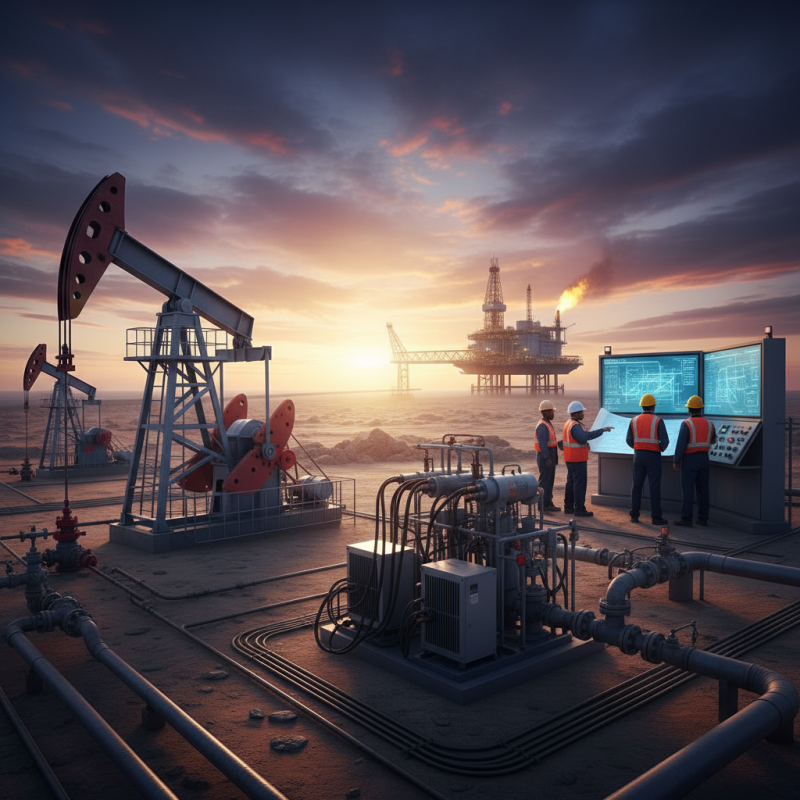
What is Artificial Lift Technologies and How Do They Work?

What are Artificial Lift Technologies?

Artificial lift technologies play a crucial role in oil and gas extraction. They help to enhance the flow of fluids in production wells. This is especially important in mature fields where natural pressure is low. According to industry reports, nearly 80% of all oil wells require some form of artificial lift.

There are several types of artificial lift methods. These include rod pumps, gas lift, and electric submersible pumps. Each technology has its own advantages and disadvantages. For instance, rod pumps are simple but can wear out quickly in abrasive conditions. Conversely, electric submersible pumps are efficient but require significant upfront investment.

The choice of technology often depends on specific well conditions. Detailed analysis is necessary to determine the best solution. As of recent studies, approximately 40% of production costs stem from lifting systems. This highlights the importance of selecting the right method for optimizing efficiency. Companies must continuously reevaluate their strategies to adapt to changing conditions and costs.

What is Artificial Lift Technologies and How Do They Work?

Technology Type Description Applications Advantages Disadvantages
Rod Pumping A mechanical device used to lift oil from wells Common in onshore oil wells Relatively low cost and reliable Limited depth capability
Gas Lift Injects gas to reduce fluid density and lift oil Suitable for high GOR (Gas to Oil Ratio) wells Effective in high-pressure conditions Requires a constant gas supply
Submersible Pumping Electric motor-driven pump submerged in fluid Used in both oil and water wells High efficiency and suitable for deeper wells Higher initial costs and maintenance
Plunger Lift A plunger moves up and down in the well to lift fluids Effective in low pressure and high viscosity wells Simple design and low operational costs Not suitable for all types of wells
Electric Submersible Pumping (ESP) Submersible pump driven by electricity Used in deep and high-rate oil production Handles large volumes of fluid efficiently Higher installation complexity and cost

The Importance of Artificial Lift in Oil Production

Artificial lift technologies play a crucial role in enhancing oil production. As many reservoirs deplete, natural pressure decreases. This pressure drop can lead to reduced flow rates. To combat this, operators often rely on Artificial Lift Systems. These systems help maintain the flow of oil to the surface, ensuring that production levels remain sustainable over time.

The importance of artificial lift cannot be overstated. Without it, many wells would struggle to deliver sufficient output. The cost of extracting oil would rise significantly. This creates a challenging situation for operators. They must balance production efficiency and economic viability. Operators need to select the right lift method. Each method has its own advantages and limitations. It may require careful evaluation and adjustments. Not every technology is suitable for every well. Operators sometimes face unexpected challenges during implementation.

Understanding the significance of artificial lift is essential for a successful operation. These technologies enable producers to tap into reservoirs that would otherwise be inaccessible. Continuous innovation in this field is necessary. However, the journey is fraught with uncertainty. Operators must remain adaptable. Lessons learned from field trials can enhance future performance.

Types of Artificial Lift Technologies and Their Applications

Artificial lift technologies play a crucial role in improving oil and gas extraction. Various types exist, each tailored for specific applications. The most common types include beam pumps, submersible pumps, and gas lift systems.

Beam pumps are often used in shallow wells. They lift fluids to the surface using a mechanical arm. These pumps are efficient, yet can require frequent maintenance. Submersible pumps, on the other hand, work underwater and move fluids to the surface. They are effective in deep wells but can be costly to install.

Gas lift systems rely on injecting gas into the well to enhance production. They are versatile and can adapt to varying conditions. However, monitoring gas flow and pressure can be tricky. Proper training for personnel can minimize these issues.

Tips: Always consider well depth and production rates when selecting a technology. Regular inspections and maintenance can prolong equipment life. Additionally, having backup plans for equipment failure is crucial.

Artificial Lift Technologies: Types and Applications

This chart illustrates the different types of artificial lift technologies and their applications in the oil and gas industry. The data represents the estimated use percentage of each type of artificial lift technology.

How Do Artificial Lift Systems Operate?

Artificial lift systems play a crucial role in improving oil and gas production. These systems are designed to lift hydrocarbons from wells that no longer flow naturally. They are essential in areas where reservoir pressure is insufficient to push fluids to the surface. By using external energy sources, these systems enhance oil recovery.

One common type operates through pumps. These pumps can be submerged in the fluid or positioned above the well. Electric submersible pumps are frequently used in deep wells. They add energy to the natural flow, pushing fluids upwards. Some systems utilize gas lift technology. This introduction of gas reduces fluid density and promotes flow. It can be an efficient method, especially in high gas-to-oil ratio wells.

However, challenges arise in maintaining these systems. Mechanical failures can lead to production losses. Additionally, the choice of artificial lift system requires careful consideration of the well conditions. Not every method works for all. Engineers must assess factors like fluid characteristics and reservoir behavior. These decisions can have lasting impacts on overall productivity. The complexity of well management can be daunting, requiring constant monitoring and adaptation.

Advantages and Challenges of Using Artificial Lift Technologies

Artificial lift technologies play a vital role in enhancing oil and gas production. They are designed to help lift fluids from the reservoir to the surface. While these technologies bring many advantages, they also present certain challenges.

One major advantage is improved production rates. Artificial lift systems can significantly increase output, maximizing reservoir potential. This technology helps keep production levels steady over time. However, installation and maintenance can be costly. There may be a steep learning curve for operators. The complexity of these systems often leads to downtime during troubleshooting.

Another benefit is operational flexibility. Operators can adjust the method based on specific field conditions. Yet, this adaptability can be a double-edged sword. Not all systems are suitable for every environment.

Improper selection of technology can result in inefficiencies. Each application requires careful evaluation of the reservoir's characteristics to avoid potential pitfalls. This ongoing assessment is crucial for optimizing production and minimizing costs.

Company Info

Universal Pumping

625 Apache Trail
Woodstock, GA 30189

Mon - Fri | 9:00 AM - 5:00 PM

Connect With Us

About Universal Pumping

Universal Pumping is staffed with industry professionals with 20-45 years experience with high pressure pumping systems. We represent only the “elite producers” in pump manufacturing: Britain’s EMS and Germany’s EMMERICH. Our engineering and manufacturing approach is conservative, and we do not use “guess work” in the design or sales of our pumping and filtration equipment.