Universal Pumping | High Pressure Pumps
High Pressure Pumps for Difficult to Pump Slurry, Sludge, and Food Waste.
Choosing the right high pressure slurry pump is crucial for various industrial applications. These pumps are designed to handle abrasive fluids efficiently. Selecting an efficient model can impact operational costs and productivity.
Different industries have distinct requirements. A pump suited for mining may not perform well in construction. It's essential to understand your specific needs before making a decision. Factors like pump material, flow rate, and durability all play vital roles.
Researching reputable brands is important. Look for manufacturers with a strong track record and reliable customer support. Read reviews and case studies to gauge performance in real-world scenarios. The right high pressure slurry pump can enhance efficiency but may also require adjustments. Don’t overlook the importance of maintenance and routine checks for optimal operation.
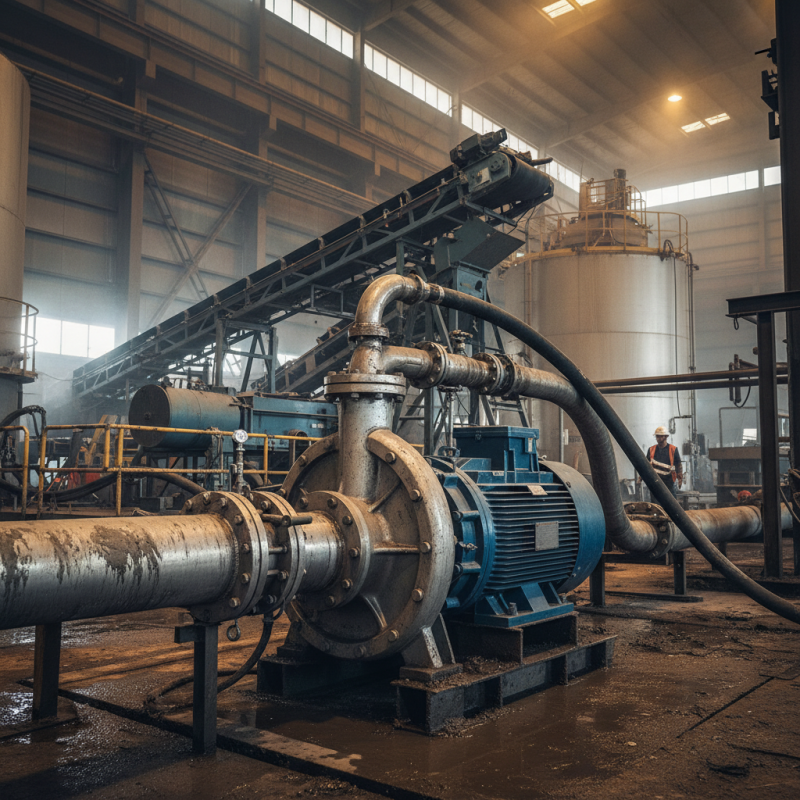
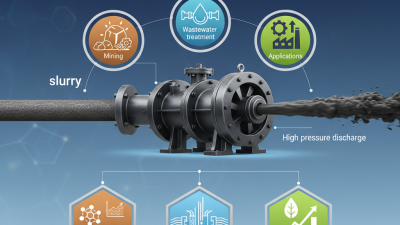
High pressure slurry pumps play a crucial role in various industries, including mining, construction, and wastewater management. These pumps are designed to transport highly abrasive, viscous materials under high pressure conditions. According to a recent industry report, the global slurry pump market is projected to grow at a CAGR of 5.1% from 2023 to 2028, highlighting their increasing importance in fluid handling applications.
In mining operations, slurry pumps efficiently move sand, coal, and ore slurries, aiding in mineral recovery. Their robust design ensures longevity and reliability even in harsh conditions. Conversely, in wastewater treatment, these pumps help manage sludge, ensuring proper waste disposal and environmental compliance. The versatility of high pressure slurry pumps makes them ideal for various applications, but their selection can be challenging.
**Tip:** When choosing a slurry pump, consider the material’s viscosity and solid content. This will significantly affect pump performance.
Moreover, pump maintenance is often overlooked. Regular checks on wear parts can improve efficiency. If neglected, it could lead to costly repairs or replacements. The selection process should involve detailed analysis of the pump's operating conditions. Always be cautious about pump specifications and application requirements to avoid compatibility issues.
| Pump Type | Max Pressure (psi) | Flow Rate (GPM) | Materials Compatibility | Common Applications |
|---|---|---|---|---|
| Centrifugal Pump | 200 | 150 | Water, Slurry | Mining, Dredging |
| Diaphragm Pump | 150 | 80 | Chemicals, Slurry | Chemical Processing |
| Positive Displacement Pump | 250 | 100 | Slurry, Oil | Oil Recovery, Mining |
| Submersible Pump | 180 | 120 | Mud, Water | Construction, Waste Management |
| Peristaltic Pump | 100 | 50 | Viscous Fluids, Slurry | Food & Beverage, Pharmaceuticals |
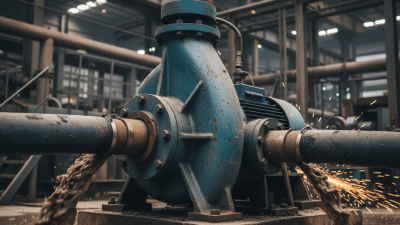
When selecting a high-pressure slurry pump, three key specifications deserve attention: flow rate, pressure ratings, and material composition. Flow rate is vital for determining the pump’s efficiency. It dictates how much slurry can be moved over a specific timeframe. Larger operations often require pumps with higher flow rates to keep up with demand. Incomplete assessments of flow needs can lead to operational bottlenecks.
Pressure ratings indicate the pump's capacity to handle various pressures within the system. This specification ensures that the pump can perform efficiently under high-stress conditions. A mismatch in pressure ratings can cause equipment failure or inefficiencies. Many users overlook this, leading to costly downtimes.
Material composition influences both durability and equipment lifespan. Pumps made with robust materials resist wear from abrasive slurries. However, some materials may not be ideal for every environment. Corrosion and erosion can compromise performance. Users must evaluate material choices carefully. Ignoring specific operational conditions could lead to premature failure of the pump.
When it comes to high-pressure slurry pumps, understanding the top manufacturers is crucial. These companies set the standard in performance and reliability. They specialize in creating pumps capable of handling thick mixtures, making them essential in various industries, from mining to construction.
Choosing the right manufacturer can be overwhelming. Each company has its unique strengths. Researching is vital. Look at customer reviews and case studies. These insights can inform your choices. Understand what you need. This ensures a better fit for your specific application.
Tips: Always consider maintenance requirements. Some pumps may need more frequent servicing. This can affect your operation's downtime. Evaluate the energy efficiency of pumps too. Higher efficiency can lead to significant cost savings over time. Make use of expert discussions in forums to get insights. Engaging with professionals can reveal options you may not have considered. This exploration can seem daunting but could yield significant benefits.
This chart represents the performance metrics of various high pressure slurry pumps based on parameters such as flow rate (m³/h), pressure (bar), and efficiency (%).
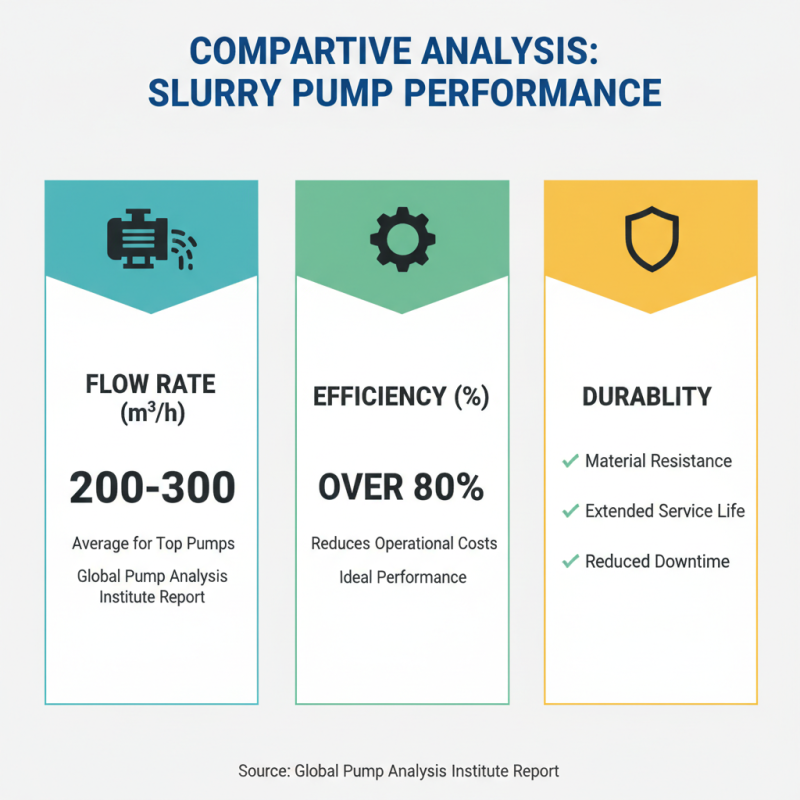
When selecting a high-pressure slurry pump, understanding its performance metrics is vital. Key metrics include flow rate, efficiency, and durability. A recent report by the Global Pump Analysis Institute reveals that the average flow rate for top-performing pumps ranges between 200 to 300 cubic meters per hour. Efficiency matters significantly; pumps with over 80% efficiency are ideal for reducing operational costs.
Another critical factor is the pump’s ability to handle solid particles. Various models have shown varying capabilities. Some can handle particles up to 75 mm, while others may struggle with anything over 25 mm. Users often overlook this aspect, leading to performance issues. Regular maintenance is crucial here, as wear can severely affect performance and longevity.
**Tip:** Always check the wear resistance of the pump materials. This can lead to better long-term performance.
Lastly, operational conditions greatly influence pump selection. Performance can vary based on factors like temperature and fluid viscosity. Reports indicate that pumps operating above 60°C tend to show a 20% drop in efficiency. Make sure to conduct regular assessments of your pump's performance under real working conditions for optimal outcomes.
**Tip:** Monitor the suction pressure and discharge pressure regularly to ensure your pump operates efficiently.
High pressure slurry pumps require careful maintenance to ensure optimal performance. Regular inspections are crucial. Check for wear and tear frequently. Look for leaks and abnormal noises. These can indicate underlying issues. Cleaning the pump after each use can prevent buildup that reduces efficiency.
Lubrication is another key aspect. Proper lubrication minimizes friction and wear on internal components. Use the recommended lubricant for your pump model. Over time, seals may degrade; replacing them proactively can save headaches later. Scheduling maintenance during downtime can help maintain operational reliability.
Monitoring the pump’s performance is essential. Keep an eye on flow rates and pressure levels. Any sudden changes may signal a problem that needs immediate attention. Documentation of maintenance activities is valuable. This creates a history that can guide future maintenance decisions. Addressing small issues promptly can prevent larger, costly repairs.
Universal Pumping
625 Apache Trail
Woodstock, GA 30189
Mon - Fri | 9:00 AM - 5:00 PM
Universal Pumping is staffed with industry professionals with 20-45 years experience with high pressure pumping systems. We represent only the “elite producers” in pump manufacturing: Britain’s EMS and Germany’s EMMERICH. Our engineering and manufacturing approach is conservative, and we do not use “guess work” in the design or sales of our pumping and filtration equipment.