What is the Best Sludge Filter for Your Needs?
Choosing the right sludge filter is crucial for effective wastewater treatment. Experts in the field, like Dr. Emily Carter, emphasize, “The right sludge filter can make a significant difference.” Her insight highlights the importance of matching technology to specific needs.
Sludge filters come in various types, each serving a unique purpose. Selecting the best one requires a deep understanding of your operational demands. Different industries have unique requirements. For example, industrial settings often need robust filters capable of handling heavy loads. On the other hand, municipal applications may prioritize efficiency and sustainability.
It's essential to consider not only performance but also maintenance. A well-designed sludge filter can minimize downtime. However, poorly chosen equipment may lead to frequent repairs. Reflecting on past decisions can illuminate the challenges in filter selection. Ultimately, the best sludge filter is one that aligns with your specific goals and operational landscape.
Factors to Consider When Choosing a Sludge Filter
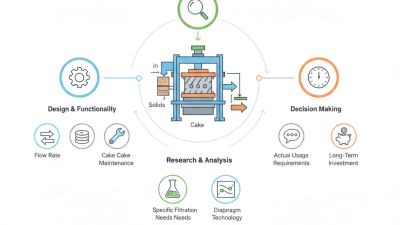
When choosing a sludge filter, several key factors should guide your decision. The first is the type of sludge your system handles. Different sludges, like activated sludge or digested sludge, require specific filtration methods. According to a 2021 report from the Water Environment Federation, nearly 70% of municipalities face varying sludge characteristics. Understanding the composition and concentration of sludge is crucial for selecting an efficient filter.
Another important factor is the filter's capacity. You must determine the flow rate and volume of sludge in your system. A filter that’s too small can lead to clogs and inefficiencies. Conversely, an oversized filter might create unnecessary costs. Research shows that optimizing filter size can improve operational efficiency by up to 30%. Maintenance requirements also play a significant role. Some filters demand regular cleaning, while others might operate with minimal upkeep. Be mindful of the long-term implications of maintenance on budgets and operations.
Finally, consider the material and longevity of the filter. Durability impacts both performance and replacement costs. A study by the Environmental Protection Agency reported that filters made from advanced composite materials last significantly longer, reducing overall lifecycle expenses. Evaluating these factors can lead to more informed choices, enhancing your sludge management practices.
Types of Sludge Filters Available in the Market
When considering sludge filters, understanding the types available is crucial. Each filter type has unique features and benefits. The most common types are gravity filters, mechanical filters, and chemical filters.
Gravity filters operate by using the natural forces of gravity to separate sludge from water. They are generally simple to use and maintain. Mechanical filters often use screens or membranes to trap particles. These provide a more refined filtration but may require more frequent cleaning. Chemical filters, on the other hand, use chemicals to alter the sludge properties, making it easier to separate.
Tips: When choosing a sludge filter, assess your specific needs. Think about the volume of sludge you deal with. Don't forget to consider maintenance requirements and costs. A poorly chosen filter can lead to inefficiencies. Always ask for expert advice.
It's essential to reflect on your choices in filter types. Some filters may seem appealing but may fall short in performance. Opt for a trial period if possible. This allows you to gauge effectiveness. A good sludge filter can significantly impact your operations by improving efficiency and reducing waste.
How to Assess Your Specific Filtration Needs
When choosing a sludge filter, understanding your specific filtration needs is crucial. Begin by evaluating the characteristics of your sludge. Consider factors like particle size, viscosity, and contamination levels. A filter must be tailored to these specifics for optimal performance. Many overlook this step, leading to inefficient filtration and increased maintenance costs.
Tips: Document your sludge properties. Regular testing can reveal changes over time. This knowledge helps in choosing the right filter.
Next, think about your filtration goals. Are you aiming for clarity, or is it about removing solids? Identifying the desired outcome streamlines the selection process. Some filters excel in removing fine particles but may not handle large volumes. Strike a balance between efficiency and your operational demands.
Tips: Seek advice from professionals. Their insights can highlight practical considerations you might miss. This approach can enhance your decision-making.
Lastly, reflect on the installation and maintenance of the filter. An ideal choice should integrate seamlessly into your current systems. Difficult installations or high upkeep can lead to dissatisfaction. Regularly reassess your setup, as evolving needs may require new solutions.
Comparing Performance and Efficiency of Sludge Filters
When it comes to selecting a sludge filter, understanding performance and efficiency is crucial. Different filters serve unique functions in various industries. Some filters excel in removing fine particles, while others specialize in handling larger sludge volumes. This disparity makes it vital to assess the operational context before choosing a filter.
Efficiency often hinges on factors like flow rate and retention time. A higher flow rate can lead to better efficiency, but it may compromise filtration quality. It’s essential to strike a balance. The filter's design can also influence its ability to operate under varying conditions. Some designs may require frequent cleaning or replacements, resulting in higher long-term costs. Understanding these trade-offs will help in making an informed decision.
While many users prioritize affordability, it's important to recognize that the cheapest option may not deliver the best performance. Regular maintenance and operational support can add to overall costs, despite initial savings. Reflecting on these aspects can guide you toward a more reliable selection tailored to your specific needs.
Sludge Filter Performance Comparison
Maintenance Tips for Optimal Sludge Filter Operation
Proper maintenance of sludge filters is crucial for ensuring their efficiency and longevity. Regular inspections can help you identify potential issues before they become serious. Check for clogs and clean filters frequently. Look for signs of wear and tear; this can indicate the need for replacement. Simple actions can prevent costly downtime or repairs.
Cleaning schedules depend on the filter type and usage. Some filters may require weekly maintenance, while others can last longer. Don't ignore the manufacturer guidelines. Following these will help optimize performance and prevent further problems. Even minor blockages can reduce efficacy, so stay proactive.
Take time to document maintenance activities. This not only helps track performance but can highlight recurring issues. Regular notes can identify patterns over time. Consider adjustments in maintenance routines if problems persist. Reflecting on past experiences with your sludge filter can guide your future choices. Always be ready to adapt and improve your approach for optimal results.