
Why Choose Hot Rolled Metal for Your Next Project?

When considering materials for construction and manufacturing, Hot Rolled Metal stands out for several reasons. This versatile material offers excellent mechanical properties and a range of applications. It is ideal for both structural and aesthetic uses, making it a popular choice among industry professionals.

The process of hot rolling enhances the metal's strength, durability, and flexibility. These characteristics ensure the finished products can withstand heavy loads and resist deformation. However, it is crucial to evaluate each project's specific needs. Misunderstanding the limitations of Hot Rolled Metal can lead to mishaps. For example, its surface finish may not always meet high aesthetic standards. Still, its affordability and availability often compensate for these shortcomings.

Hot Rolled Metal is generally more cost-effective than cold rolled options. This cost advantage makes it an attractive choice for budget-conscious projects. Yet, buyers should weigh the trade-offs between cost and quality. Selecting the right material requires a deep understanding of project requirements and desired outcomes.
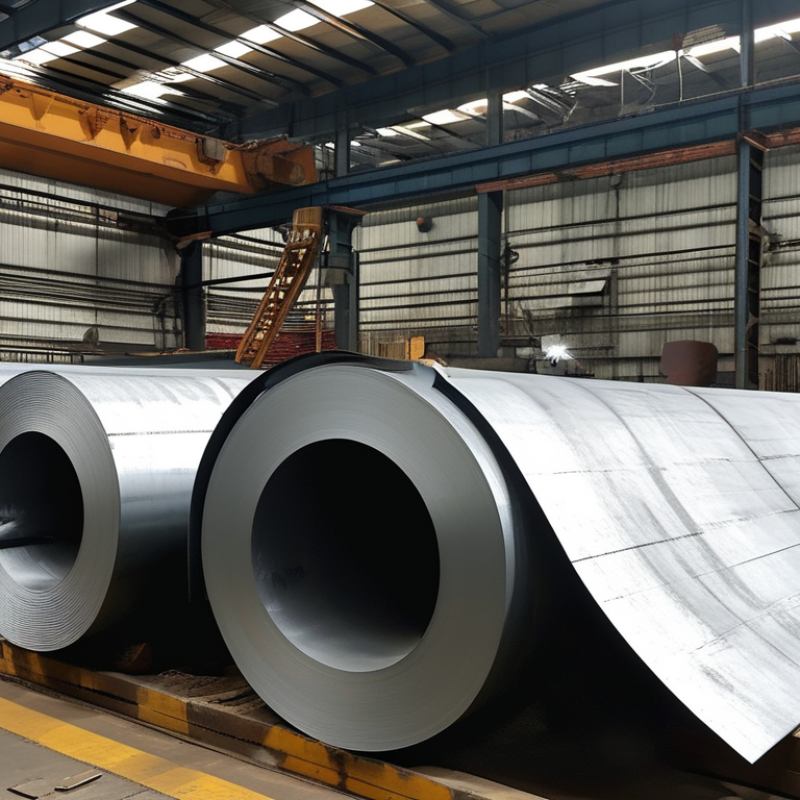
Why Choose Hot Rolled Metal for Your Next Project?

Benefits of Using Hot Rolled Metal in Construction Projects

Hot rolled metal is a popular choice in construction. It offers several benefits that can enhance project efficiency. One of its key advantages is its cost-effectiveness. The manufacturing process is simpler, which reduces overall expenses. This is crucial for budget-conscious projects.

Additionally, hot rolled metal has excellent workability. Its malleability allows it to be shaped easily into various forms. This flexibility can be vital during construction, enabling quick adaptations. However, the precision of cuts and bends may suffer compared to cold rolled options. It's essential to assess the required tolerances before deciding.

Tips: For large projects, consider bulk purchasing. This can lead to significant savings and ensure you have enough material on hand. Always check for quality certifications to ensure safety and durability. A small oversight could lead to costly errors down the line. Being proactive will save time and unnecessary rework.

Benefits of Using Hot Rolled Metal in Construction Projects

Understanding the Manufacturing Process of Hot Rolled Metal

Hot rolling is a widely used manufacturing process that transforms metal into desired shapes. During this process, metal is heated above its recrystallization temperature, which makes it easier to manipulate. The temperature ranges typically from 1,600°F to 2,200°F. This high heat allows for greater flexibility and reduced strength, making it ideal for shaping.

According to a 2020 report by Research and Markets, the global hot-rolled steel market was valued at approximately $240 billion. This vast market demonstrates the heavy reliance on hot-rolled metal in various industries, including construction and automotive. The incorporation of precise temperature control and speed in the process ensures consistent quality. However, the hot rolling process does have limitations. Dimensional tolerances can fall short compared to cold rolling due to the material's flow under extreme heat.

Precision is crucial, but imperfections can arise. Variations in thickness and surface finish are common challenges faced during production. This imperfect reality necessitates a careful inspection process. Nonetheless, these factors contribute to the cost-effective benefits of hot-rolled metals, making it a valuable, if not always perfect, choice for many projects.

Comparative Analysis: Hot Rolled vs. Cold Rolled Metal

When it comes to choosing between hot rolled and cold rolled metal, understanding the differences is essential. Hot rolled metal is produced at high temperatures, allowing it to be easily shaped. This process often results in a rough texture, which can be beneficial for certain applications. It’s particularly useful in structural components and heavy machinery where strength is essential.

Cold rolled metal, on the other hand, is processed at room temperature, providing a smoother surface finish. This advantage is significant for precision applications, such as automotive parts or furniture. However, cold rolled metal can be more expensive and less malleable than hot rolled. Choosing the right type depends on the project requirements. Each choice comes with its trade-offs, such as cost versus finish quality.

While hot rolled is generally stronger, it often lacks the aesthetic appeal of cold rolled options. This difference can lead to debates regarding the “best” choice. Every project might highlight different needs, revealing how even experts can arrive at contrasting conclusions. It's crucial to evaluate the intended use, weight, and strength of the metal when making a decision, as different environments can demand different properties.

Applications and Industries That Benefit from Hot Rolled Metal

Hot rolled metal is widely used in various industries due to its unique properties and advantages. The construction sector benefits significantly from hot rolled steel. Its strength and durability make it ideal for large structures like bridges and buildings. Workers often favor it for its workability. Furthermore, its lower cost compared to cold rolled counterparts makes it a go-to choice for many projects.

Manufacturing is another key area that utilizes hot rolled metal. Components like beams, plates, and bars are essential in machinery production. The ability to shape hot rolled metal easily allows manufacturers to create intricate designs. This can sometimes lead to imperfections in the final product, prompting manufacturers to reassess their production methods.

In automotive applications, hot rolled products are often used for making frames. The lightweight nature combined with strength ensures vehicle safety. However, the focus on weight reduction can lead to sacrifices in other aspects, such as corrosion resistance. This paradox challenges automotive engineers to find the right balance in materials. Hot rolled metal serves various industries well, but its application requires careful consideration of trade-offs.

Cost-Effectiveness and Availability of Hot Rolled Metal Products

When considering materials for construction or manufacturing, hot rolled metal offers unmatched cost-effectiveness. According to a report from the World Steel Association, hot rolled products account for nearly 50% of all steel usage globally. This popularity can be attributed to their affordability, as the production process requires less energy compared to other methods. Using hot rolled metal can significantly reduce production costs, allowing businesses to allocate funds elsewhere.

Availability is another crucial factor. Hot rolled metals are readily accessible through various suppliers, with a high production volume. They can be delivered quickly, meeting tight project deadlines. The American Iron and Steel Institute reports that the overall market demand for hot rolled products continues to grow, indicating a robust supply chain. This ensures that manufacturers and contractors can obtain materials without excessive delay.

However, there are considerations to keep in mind. Hot rolled metal may not meet the specific requirements for all applications. It tends to have a rough surface that may not be ideal for end-use. Additionally, its dimensional tolerances are generally looser than cold rolled options. Reflection on these factors will help in making informed choices about material selection for your next project.

Company Info

Universal Pumping

625 Apache Trail
Woodstock, GA 30189

Mon - Fri | 9:00 AM - 5:00 PM

Connect With Us

About Universal Pumping

Universal Pumping is staffed with industry professionals with 20-45 years experience with high pressure pumping systems. We represent only the “elite producers” in pump manufacturing: Britain’s EMS and Germany’s EMMERICH. Our engineering and manufacturing approach is conservative, and we do not use “guess work” in the design or sales of our pumping and filtration equipment.