
Universal Pumping | High Pressure Pumps
High Pressure Pumps for Difficult to Pump Slurry, Sludge, and Food Waste.
Choosing the right Stainless Steel Welded Pipe for your project can seem daunting. The market offers various options, making it essential to understand your specific needs. Reliability and quality are key factors when making this decision.
Stainless Steel Welded Pipes have diverse applications in industries like construction and manufacturing. Selecting the wrong type can lead to costly repairs and safety risks. Assessing your project’s requirements is crucial. Consider pressure ratings, corrosion resistance, and diameter. Each project demands unique specifications.
Furthermore, it’s wise to consult experts or trusted suppliers. They can provide insights based on experience and proven knowledge. Don’t hesitate to ask questions. The right Stainless Steel Welded Pipe can enhance your project’s success and integrity. However, always reflect on how your choices align with the overall goals of your work.
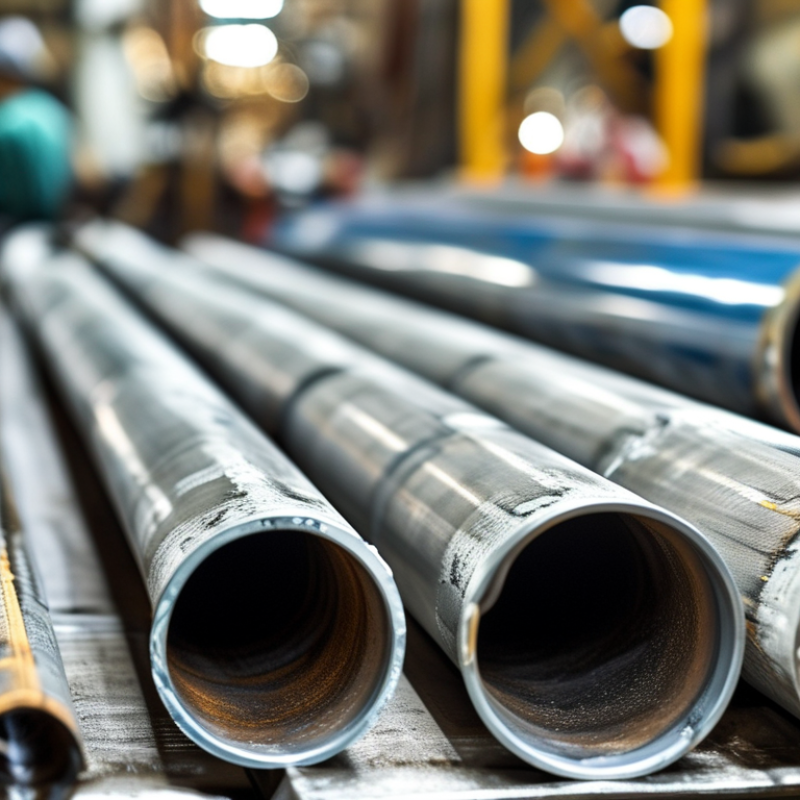
When selecting the right stainless steel welded pipe, understanding the various types available is crucial. These pipes are often categorized by their grade and intended application. Common grades include 304 and 316, which offer different levels of corrosion resistance. Grade 304 is widely used in food processing and kitchen environments. In contrast, grade 316 is better for marine and chemical applications due to its enhanced durability.
**Tip:** Always check the specifications of each grade to match your project needs.
Welded pipes also differ in their sizes and wall thicknesses. Thin-walled pipes are lighter and easier to install, but they may not withstand high pressures. Conversely, heavier pipes provide more strength and are suited for demanding conditions. Think about the long-term demands of your project. Choosing a pipe that is too light may lead to future challenges.
**Tip:** Consult with a professional if you’re unsure about wall thickness requirements.
It's essential to consider the environment where the pipes will be used. Factors like temperature, chemical exposure, and pressure all play a role in the durability of the pipe. Sometimes, heavy-duty solutions may feel excessive, but they can save you costs over time in maintenance and replacements. Always prioritize reliability. Remember, investing in quality now can prevent headaches later on.
| Type | Material Grade | Diameter (inches) | Wall Thickness (mm) | Applications |
|---|---|---|---|---|
| Austenitic | 304, 316 | 1.0 - 12.0 | 1.2 - 3.0 | Chemical processing, food industry |
| Ferritic | 430, 409 | 1.0 - 10.0 | 1.5 - 2.5 | Automotive, exhaust systems |
| Duplex | 2205, 2507 | 1.0 - 8.0 | 2.0 - 5.0 | Oil and gas, marine applications |
| Martensitic | 410, 420 | 0.5 - 10.0 | 1.0 - 3.0 | Cutting tools, surgical instruments |
Choosing the right stainless steel welded pipe involves understanding several key factors. First, consider the type of stainless steel. Common grades include 304 and 316. Grade 304 offers good corrosion resistance, while 316 is better for marine environments. According to industry reports, 316 stainless steel is used in almost 60% of all welded pipe applications in corrosive environments.
Next, pipe size can significantly affect performance. Specifications like diameter and wall thickness determine flow rates and pressure capacity. For example, a thicker wall may provide greater strength but can add unnecessary weight. The choice of size should align with project requirements and environmental conditions.
**Tips:** Always assess the project environment. For example, if the pipe will be exposed to acids or saltwater, opt for higher-grade alloys. Additionally, ensure the pipes meet relevant industry standards, such as ASTM or ASME. Quality certifications can enhance reliability.
Don’t overlook the welding method. Techniques like TIG or MIG can affect the final quality. Each provides different benefits and may be better suited for specific applications. Reflecting on these factors can help in making an informed decision.
Selecting the right stainless steel welded pipe requires a careful assessment of material grades. Each grade offers unique characteristics, impacting performance in various applications. For example, Type 304 is commonly used for its excellent corrosion resistance and weldability. In contrast, Type 316 is superior in environments exposed to harsh chemicals due to its added molybdenum content.
Data from the ASTM International indicates that stainless steel grades can vary significantly in tensile strength and corrosion resistance. Type 304 typically shows a tensile strength of around 70 ksi, while Type 316 can reach around 75 ksi. Selecting the appropriate grade based on these metrics is crucial for ensuring longevity and safety in your project.
Furthermore, consider the specific environment. High-temperature applications may require materials with enhanced heat resistance. A recent study highlighted that Type 310 stainless steel exhibits increased oxidation resistance, crucial for projects in high-temperature settings. Many projects fail due to improper material selection. So, understanding the nuances of each grade is vital for project success.
Choosing the right stainless steel welded pipe involves careful consideration of size and diameter. The performance of a welded pipe directly impacts any project’s efficiency. Each application demands specific dimensions for optimal functionality. For example, larger diameters can handle higher flow rates, which is crucial in industrial settings. However, they may add unnecessary weight to residential projects.
Measuring pipe sizes accurately is imperative. A slight miscalculation can lead to costly inefficiencies or system failures. When selecting diameter, consider the medium that will flow through the pipe. Thick liquids may require wider diameters for proper flow. Weight and space limitations must also be evaluated.
Not all projects are straightforward. A project may develop complexities as it progresses. Stakeholders might realize mid-way that adjustments are necessary. Therefore, flexibility in choosing sizes can save time and resources. Regularly consulting with experts can provide insights that may not be immediately clear. Sometimes, trial and error can teach valuable lessons in pipe sizing.
When budgeting for stainless steel welded pipes, several cost factors need careful consideration. Material grade plays a crucial role. Higher grades often come with a premium price, but they offer better durability and corrosion resistance. Evaluate your project needs. This will help determine if a more costly option is justified.
Operations and installation costs also impact the final price. Consider labor expenses and equipment necessary for installation. Complex installations may lead to higher labor costs. Therefore, assess whether your team has the expertise for the task or if you will need to hire professionals.
Tips:
Universal Pumping
625 Apache Trail
Woodstock, GA 30189
Mon - Fri | 9:00 AM - 5:00 PM
Universal Pumping is staffed with industry professionals with 20-45 years experience with high pressure pumping systems. We represent only the “elite producers” in pump manufacturing: Britain’s EMS and Germany’s EMMERICH. Our engineering and manufacturing approach is conservative, and we do not use “guess work” in the design or sales of our pumping and filtration equipment.


