
How to Choose the Right Baking Furnace Thermocouple for 2026?

Choosing the right Baking Furnace Thermocouple in 2026 requires careful consideration. The thermocouple is vital for ensuring accuracy in temperature control. An accurate reading can directly impact baking quality.

Baking processes are sensitive to temperature variations. An unsuitable thermocouple can lead to inconsistent results. This inconsistency affects not only product quality but also energy efficiency. Selecting the correct type, such as K-type or J-type, can enhance performance significantly.

While many options exist, the best choice often depends on specific needs. Consider probe length and temperature range. A misstep here can lead to costly mistakes. It’s essential to evaluate both technical specifications and practical applications. Your baking success hinges on this decision.
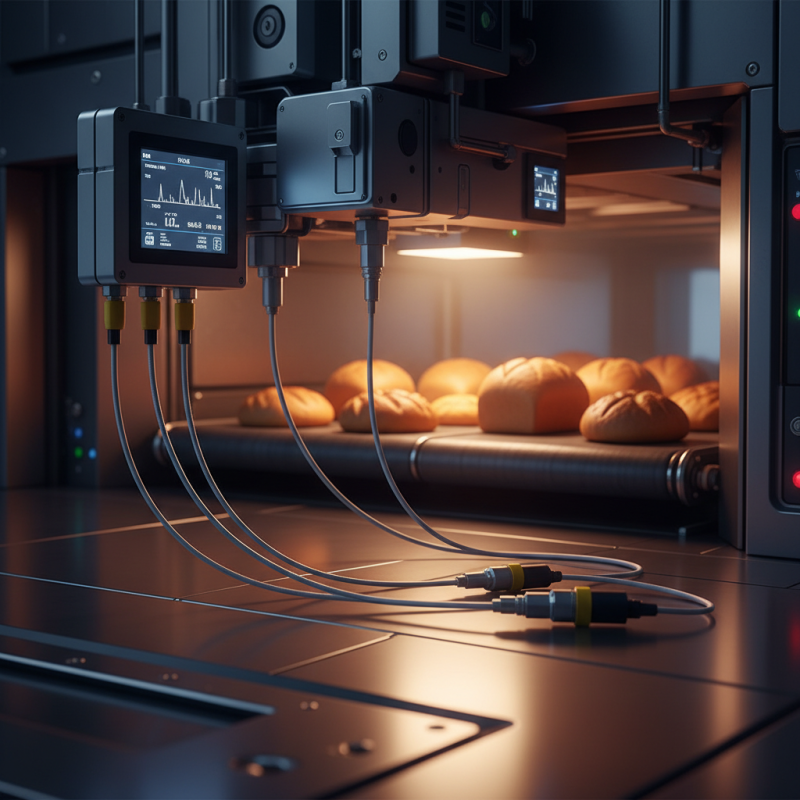
How to Choose the Right Baking Furnace Thermocouple for 2026?

Understanding the Role of Thermocouples in Baking Furnaces

In baking furnaces, thermocouples play a critical role. They measure temperature accurately and keep the oven's environment stable. A reliable thermocouple is essential for consistent baking results. Studies show that temperature variations can affect product quality. Even a few degrees can alter texture and flavor.


Choosing the right thermocouple involves understanding its specifications. Types of thermocouples vary based on materials and temperature ranges. For instance, Type K thermocouples are common in baking applications. They can withstand high temperatures up to 1260°C. However, they may not be the best choice for every situation. Their accuracy can decrease in extreme conditions.


Installation methods also impact performance. Improper placement can lead to inaccurate readings. Over time, thermocouples may degrade due to repeated heating and cooling. Regular checks are vital for ensuring reliability. Ignoring maintenance can result in costly errors. Inconsistent temperatures may lead to product waste. Reflecting on these factors is crucial for optimizing equipment performance in baking processes.

Types of Thermocouples Suitable for High-Temperature Baking

When selecting a thermocouple for high-temperature baking, it's essential to consider the types best suited for your needs. Generally, K-type and S-type thermocouples are popular in baking environments. K-type thermocouples are favored for their wide temperature range, from -200°C to 1260°C. They are often used in industrial baking due to their durability and affordability. S-type thermocouples are built from noble metals, allowing for incredibly precise readings at high temperatures, making them ideal for specialty baking tasks.

Tips: Always check the temperature limits of the thermocouple you choose. It should withstand your baking temperatures without failure. Regular calibration is also essential for maintaining accuracy, especially when working with delicate recipes.

Another option to consider is the B-type thermocouple. They are suitable for extreme temperatures, up to 1800°C, making them ideal for situations where standard thermocouples may struggle. However, B-type thermocouples are less commonly used and can be more expensive. Their sensitivity can sometimes lead to inaccurate readings if not correctly installed.

Tips: Ensure proper installation to prevent inconsistent data. Look out for potential cold junction issues that can create errors in measurement.

Thermocouples Suitable for High-Temperature Baking

This chart displays the temperature range and suitability of different types of thermocouples for high-temperature baking as we approach 2026.

Factors to Consider When Selecting a Thermocouple for Baking

When selecting a thermocouple for baking in 2026, consider several key factors. The type of thermocouple impacts accuracy and response time. Different models, like Type K or Type J, have unique temperature ranges and sensitivities. This choice can significantly influence your baking results. Make sure to assess the range your baking furnace will reach.


Material composition also matters. Thermocouples can be made from various metals that respond differently to heat. Your baking process might require quick readings, or it might need stability over long periods. Each scenario demands a specific thermocouple selection. Take time to evaluate your furnace's design and the thermal environment.


Lastly, don't overlook installation and maintenance. A poorly installed thermocouple can lead to inaccurate readings. Consider how easy it is to replace or service the thermocouple if needed. Regular checks can prevent baking disasters. Reflect on these points carefully; every detail counts in achieving precise baking temperatures.

Installation and Calibration Tips for Baking Furnace Thermocouples

When choosing a thermocouple for your baking furnace, proper installation and calibration are crucial. Start by ensuring that you select a thermocouple type that aligns with your furnace’s temperature range. Common types include K, J, and T, each with its own specifications. Be mindful of the environment in which the thermocouple will be used. Factors like humidity and exposure to fumes can affect performance.

Installation should be approached with caution. Position the thermocouple away from direct heat sources to prevent inaccuracies. Ensure secure connections, as loose wiring may lead to erroneous readings. Calibration is equally important. Use a reliable reference standard to verify the accuracy of your thermocouple. Minor variations can significantly impact your baking results.

Monitor the thermocouple regularly for wear and tear. Replacement might be necessary if you notice drifting readings or slower response times. Awareness of these details can enhance your baking precision. Remember, small mistakes in installation or calibration can lead to major issues in your baking process. Reflect on your practices often and make adjustments as necessary for better results.

Common Issues and Solutions for Thermocouples in Baking Applications

In baking applications, thermocouples play a critical role in ensuring precise temperature control. Common issues arise from improper installation, leading to inaccurate readings. A survey conducted by the Baking Industry Technical Conference revealed that approximately 30% of temperature control failures stem from faulty thermocouple placements. This mistake can cause inconsistent baking results, impacting product quality.

Another issue involves thermocouple drift. Over time, thermocouples may give inaccurate temperatures due to exposure to high temperatures and aggressive atmospheres. Data from the Thermal Analysis Society indicates that 15% of thermocouples used in high-temperature baking setups require recalibration or replacement annually. Regular checks and maintenance are vital to ensure accuracy and reliability.

Proper material selection is crucial. Thermocouples made from different materials perform variably. For example, Type K thermocouples are widely used, but they may not always perform well in certain baking environments. Thermal cycling can affect their lifespan and accuracy. Constant monitoring and adjustments might lead to better long-term performance. Recognizing these common challenges can guide bakers toward more reliable entrustment of thermocouples.

How to Choose the Right Baking Furnace Thermocouple for 2026? - Common Issues and Solutions for Thermocouples in Baking Applications

Thermocouple Type Temperature Range (°C) Common Issues Solutions Recommended Applications
Type K -200 to 1260 Susceptible to oxidation Use protective sheath Bakery ovens, ovens with high humidity
Type J -40 to 750 Limited oxidation resistance Select appropriate installation location Convection ovens, small baking setups
Type T -200 to 350 Poor mechanical strength Mount securely to avoid breakage Low-temperature applications
Type N -200 to 1300 Higher cost Evaluate cost vs. benefit High-performance bakery ovens

Company Info

Universal Pumping

625 Apache Trail
Woodstock, GA 30189

Mon - Fri | 9:00 AM - 5:00 PM

Connect With Us

About Universal Pumping

Universal Pumping is staffed with industry professionals with 20-45 years experience with high pressure pumping systems. We represent only the “elite producers” in pump manufacturing: Britain’s EMS and Germany’s EMMERICH. Our engineering and manufacturing approach is conservative, and we do not use “guess work” in the design or sales of our pumping and filtration equipment.