
Why Choose an Industrial Hydraulic Press for Your Business Needs?

In today's competitive manufacturing landscape, the choice of equipment can significantly impact operational efficiency. An Industrial Hydraulic Press stands out as a crucial asset in various industries, from automotive to aerospace. According to a recent Market Research Report, the global hydraulic press market is projected to reach $7 billion by 2025, reflecting a growing reliance on this technology for precision tasks.

Adopting an Industrial Hydraulic Press can improve efficiency by reducing cycle times and increasing output. These machines are designed to handle various materials, ensuring consistent quality while minimizing waste. However, many companies overlook the importance of regular maintenance. Neglecting routine checks can lead to downtime, affecting productivity and, ultimately, the bottom line.

Furthermore, the learning curve for operating these presses can be steep. It requires skilled operators to maximize their potential. Investing in training can pay off over time, enhancing both safety and performance. While the upfront cost might be a concern, the long-term benefits of implementing an Industrial Hydraulic Press often outweigh the initial investment.
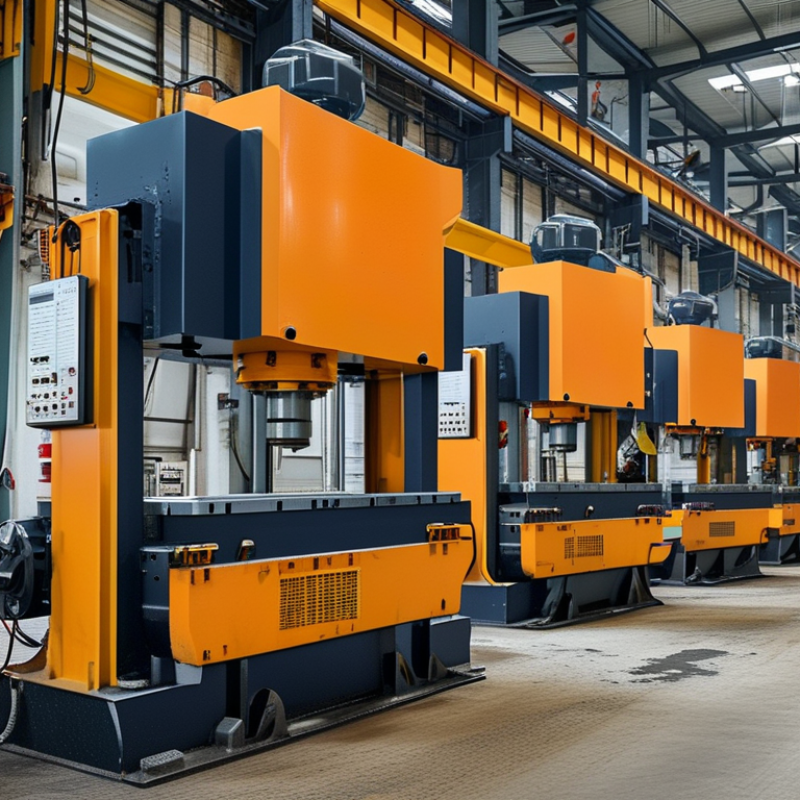
Why Choose an Industrial Hydraulic Press for Your Business Needs?

Benefits of Using Industrial Hydraulic Presses in Manufacturing Operations

Choosing an industrial hydraulic press can significantly enhance manufacturing operations. These machines use high-pressure fluids to generate immense force, making them invaluable in various sectors like metal forming and plastic molding. According to a report by Markets and Markets, the industrial hydraulic press market is expected to grow significantly, with projections reaching a value of over $10 billion by 2027.

The benefits of using hydraulic presses are numerous. They offer precision and consistency, essential for maintaining product quality. Their ability to exert controlled pressure allows for intricate and detailed work. Moreover, hydraulic presses are known for their efficiency. They often lead to faster production cycles, which can boost overall productivity.

When integrating hydraulic presses, consider the training needs of your workforce. Proper operation is crucial to maximize safety and efficiency. Regular maintenance should be a part of your routine to avoid costly repairs and downtime. Monitor performance regularly to identify areas of improvement. An investment in these presses can not only streamline operations but also reduce long-term costs. Balancing efficiency with careful oversight is key to harnessing the full potential of hydraulic technology in manufacturing.

Key Applications of Hydraulic Presses in Various Industries

Hydraulic presses are integral to multiple industries. They provide high levels of force for shaping, molding, and assembling materials. In automotive manufacturing, for instance, they are essential for stamping metal parts. This precision ensures parts fit together correctly, leading to enhanced vehicle safety and performance.

In metal fabrication, hydraulic presses are used for tasks like bending and punching metal sheets. This method allows for intricate designs and shapes that are hard to achieve with other tools. The ability to adjust the pressure settings adds versatility. However, operators must be cautious to prevent material wastage due to overcompression.

Additionally, the furniture industry relies on hydraulic presses for laminating surfaces. This process bonds layers of materials, creating durable and aesthetically pleasing products. While the technology offers significant efficiency, it requires constant monitoring. If not calibrated precisely, it could lead to inconsistent quality. Thus, while hydraulic presses enhance production, they necessitate skilled operators and regular maintenance to ensure optimal performance.

Cost-Efficiency of Hydraulic Presses Compared to Mechanical Presses

Hydraulic presses have gained attention for their cost-efficiency compared to mechanical presses. A report by the International Federation of Robotics indicates that hydraulic systems can operate with up to 80% energy efficiency. This efficiency translates into lower operational costs, making hydraulic presses a smart investment for businesses looking to reduce expenses.

The initial cost of hydraulic presses may be higher. However, their long-term savings are significant. Maintenance costs for hydraulic systems can be over 30% lower than those for mechanical presses. For instance, hydraulic presses often require less frequent repairs due to their durable design. This can lead to increased uptime and productivity.

When choosing a hydraulic press, consider system requirements. Evaluate the materials you will work with and the production volume. Ensure the selected model matches your business needs. Monitoring energy consumption can also provide insights into efficiency. It's vital to assess performance regularly, as underutilized machines can lead to unnecessary costs. Identifying and adjusting for inefficiencies early on can improve overall operation.

Technical Specifications: Understanding Hydraulic Press Capacity and Force

Choosing an industrial hydraulic press can greatly enhance your production capabilities. Understanding hydraulic press capacity and force is essential. Capacity indicates the maximum load the press can handle, while force reflects how effectively that load is applied. A press with a higher force rating will perform more efficiently, ensuring even challenging materials can be processed effectively.

When evaluating hydraulic presses, consider the specific needs of your operations. Identify your material types and required tolerances. Some presses may handle lightweight materials well, but struggle with denser options. It's important to choose a press that aligns with your production requirements.

Ensuring safety is crucial. Make sure operators are trained and understand the machine's mechanics. Regular maintenance can prevent unexpected breakdowns. A well-maintained press is not only more reliable but also ensures a safer working environment. Review your safety protocols frequently. In any production setting, overlooked details can lead to problems. Small errors in setup may escalate into larger issues, impacting workflow.

Market Trends: Growth Projections for Hydraulic Press Technology by 2025

The hydraulic press market is projected to witness significant growth by 2025. According to industry reports, this technology is enhancing productivity across various sectors. As businesses look for more efficient manufacturing processes, the demand for hydraulic presses is expected to rise. The global hydraulic press market is forecasted to grow at a compound annual growth rate (CAGR) of around 5.5% from 2020 to 2025.

Several factors contribute to this growth. Industries such as automotive, aerospace, and metal fabrication are increasingly adopting hydraulic presses. These machines provide superior control and efficiency, streamlining production lines and reducing waste. Additionally, advancements in automation and smart technologies are making hydraulic presses more appealing for modern manufacturing environments. However, some companies may struggle with the initial investment costs and overheads associated with upgrading their equipment.

Data suggests that the integration of AI and IoT in hydraulic presses can further enhance operational efficiency. Yet, there are challenges, including training staff to adapt to these new technologies. Businesses must weigh the benefits against potential roadblocks. As the market evolves, staying informed about trends will be crucial for making informed decisions regarding hydraulic press investments.

Company Info

Universal Pumping

625 Apache Trail
Woodstock, GA 30189

Mon - Fri | 9:00 AM - 5:00 PM

Connect With Us

About Universal Pumping

Universal Pumping is staffed with industry professionals with 20-45 years experience with high pressure pumping systems. We represent only the “elite producers” in pump manufacturing: Britain’s EMS and Germany’s EMMERICH. Our engineering and manufacturing approach is conservative, and we do not use “guess work” in the design or sales of our pumping and filtration equipment.