How to Choose the Best Pressure Pumps for Your Needs?
Choosing the right pressure pumps is crucial for various applications. Whether you need them for agricultural irrigation, industrial processes, or household use, understanding your specific requirements is essential. Pressure pumps come in different types, sizes, and functionalities. Each application demands a unique approach to selection.
Many factors influence the choice of pressure pumps. Consider flow rate, pressure levels, and energy efficiency. Additionally, the materials used in constructing pumps can affect durability. It's easy to overlook these details, yet they significantly impact performance and longevity. Choosing a pump may seem straightforward, but it requires careful thought.
In a marketplace filled with options, making an informed decision can be challenging. Knowledge of the intended use is key. Furthermore, consulting with experts can provide valuable insights. By evaluating your needs and considering expert advice, you can find a pump that meets your demands, ensuring reliability and efficiency.
Understanding Different Types of Pressure Pumps Available in the Market
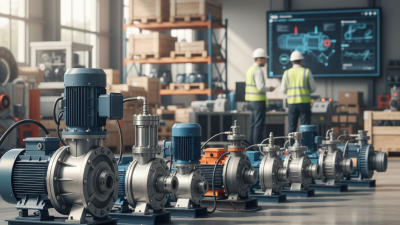
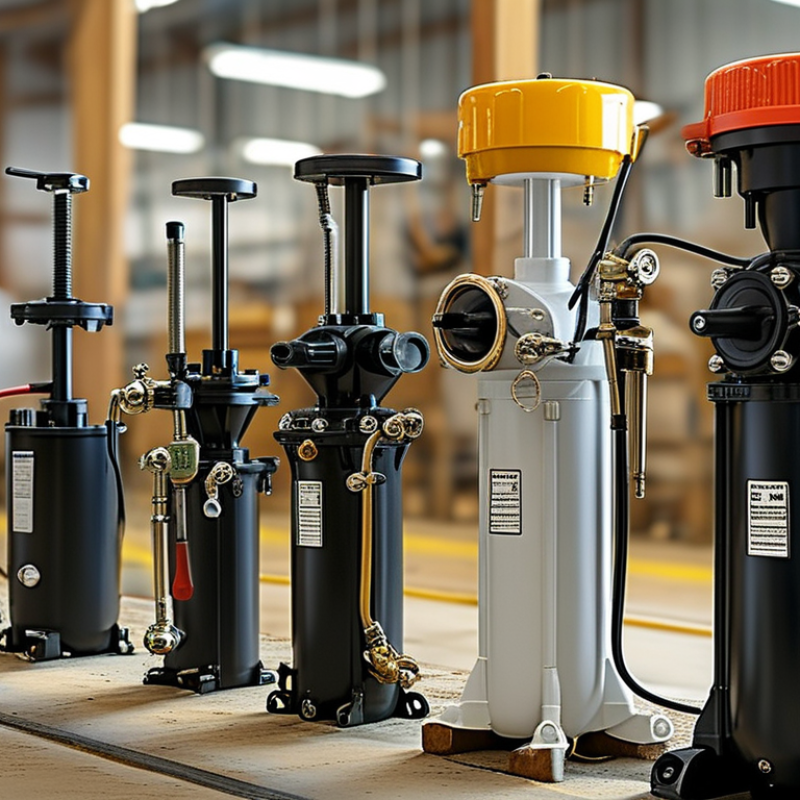
When considering pressure pumps, it’s essential to understand the different types on the market. There are mainly three categories: centrifugal pumps, diaphragm pumps, and gear pumps. Each type serves unique functions depending on the application. For instance, centrifugal pumps are optimal for high flow rates and are widely used in irrigation systems. According to industry reports, they can achieve flow rates exceeding 10,000 liters per hour, making them ideal for large-scale agriculture.
Diaphragm pumps excel in handling viscous fluids and slurries. They offer excellent reliability, but their flow rates are limited compared to centrifugal pumps. In fact, the American Pump Association has noted that diaphragm pumps can effectively manage pressures up to 120 psi, catering to specialized needs like chemical transfer. Gear pumps, on the other hand, are recognized for their precision and are commonly used in lubricating fluids and fuel applications. Their design allows them to maintain consistent flow with minimal pulsation.
While selecting the right pump, consider the specific requirements of your application. Not all pumps are equally efficient under varying conditions. Some may require more maintenance, impacting operational costs. It’s crucial to weigh these factors against performance needs. Evaluating system compatibility with pump types can be tricky, as some setups may not be compatible with all pressure configurations. Understanding these nuances will guide you to a more informed choice.
Evaluating Flow Rate and Pressure Requirements for Your Application
Choosing the right pressure pump starts with understanding your flow rate and pressure needs. Each application has unique requirements. For instance, a garden irrigation system might need lower pressures than industrial cleaning tasks. Both need adequate flow rates. Knowing this helps narrow your options.
When evaluating flow requirements, think about the scale of your project. Will you irrigate a small garden or supply water to an entire building? Measure the required gallons per minute (GPM). This metric is crucial for determining pump size.
Consider the pressure parameters next. Each task requires different PSI levels. For example, pressure washing typically demands high pressure, while low-pressure applications may suffice for watering plants. Verify your pressure needs before selecting a pump.
Try to match your pump's capacity to the exact needs of your application. An oversized pump can lead to inefficiencies. It can waste energy and incur higher costs. Assessing both flow rate and pressure will guide you. Make decisions that are informed; the right pump can make a significant difference in performance.
Assessing Pump Material and Construction for Durability and Efficiency
Choosing the right pressure pump begins with understanding the materials and construction. Durable materials like stainless steel and high-grade plastics often withstand harsh conditions. They resist corrosion and degradation over time, enhancing the pump's lifespan. For instance, a pump made from reinforced thermoplastics offers both flexibility and strength, ideal for demanding environments.
Construction details are equally crucial. A pump's design affects its efficiency and performance. Features such as seal integrity and bearing quality can greatly influence operation. Poor seals may lead to leaks, while low-quality bearings could cause overheating or failure. Assessing these elements can reveal potential weaknesses in a pump's architecture.
People often overlook how these factors impact long-term costs. A more expensive pump made of superior materials may offer savings. This not only comes from reduced maintenance but also from increased efficiency. It’s essential to balance initial investment with overall performance. Reflecting on these considerations will help ensure you choose a pump that meets your needs without unnecessary complications.
Considering Energy Efficiency and Operating Costs of Pressure Pumps
When it comes to choosing the right pressure pump, energy efficiency and operating costs are key factors. A pump may have a lower upfront cost, but high energy consumption can lead to expensive bills over time. For instance, selecting a model with a high-efficiency motor can significantly decrease energy usage. It's essential to check the pump's energy rating before making a decision. This rating often reflects how much electricity the pump will need to operate efficiently.
Operating costs extend beyond energy alone. Maintenance is another crucial aspect. Some pumps require regular servicing, which adds to the total expense. Keeping the pump in good condition can help you avoid costly repairs later. Some models might perform well initially, but neglect can lead to efficiency drops. Tracking these costs over time can provide valuable insights.
When evaluating your options, consider the balance between efficiency and initial price. A more expensive, energy-efficient pump might save you money in the long run. However, if you're not ready for that investment, you could face regret when the bills pile up. Finding a middle ground is crucial. It's not just about the purchase; it's about how the pump will perform and impact your finances in the long haul.
How to Choose the Best Pressure Pumps for Your Needs?
| Pump Type |
Energy Efficiency (kW/m³) |
Operating Cost ($/year) |
Max Pressure (bar) |
Suitable Applications |
| Centrifugal Pump |
0.2 |
500 |
5 |
Water Supply, Irrigation |
| Positive Displacement Pump |
0.15 |
700 |
10 |
Oil Transfer, Chemical Processing |
| Submersible Pump |
0.25 |
450 |
7 |
Sewage, Groundwater |
| Diaphragm Pump |
0.18 |
600 |
6 |
Food Processing, Water Treatment |
Identifying Key Features and Specifications That Meet Your Needs
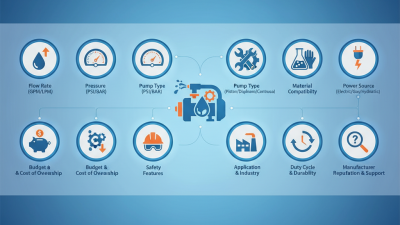
Choosing the right pressure pump is crucial for various applications. Start by understanding the flow rate you need. This metric determines how much water can be moved over time. If you require high water transfer for irrigation or pressure washing, a pump with a higher flow rate is necessary. Check manufacturers' specifications to match your needs.
Next, consider the maximum pressure the pump can deliver. For tasks like spraying pesticides or cleaning surfaces, proper pressure is essential. A pump that can only manage low pressure will not suffice for demanding jobs. Look for units that specify their pressure capabilities clearly.
Don’t forget about durability and material quality. Pumps made from rust-resistant metals or high-grade plastics offer better longevity. However, not all materials perform well under high pressure. Research materials that withstand your specific environmental conditions. Sometimes, even the best options might not meet every requirement. Test different models to see what works best in real-life situations.
Pressure Pumps Selection by Key Features