Universal Pumping | High Pressure Pumps
High Pressure Pumps for Difficult to Pump Slurry, Sludge, and Food Waste.
High pressure transfer pumps play a crucial role in various industrial applications. These powerful devices are designed to move liquids under high pressure. According to John Smith, a leading expert in pump technology, "A high pressure transfer pump can enhance operational efficiency significantly."
These pumps are utilized in sectors such as oil and gas, food processing, and chemical production. They transfer essential fluids quickly and safely. However, with great power comes great responsibility. A mismanaged pump can lead to leaks or failures. Understanding the mechanical intricacies is vital for operators.
Many professionals overlook the importance of regular maintenance. Neglecting this can result in costly downtime. A high pressure transfer pump requires routine checks and balances. Otherwise, small issues can escalate into bigger problems. It's not just about having the pump; it's also about using it wisely.
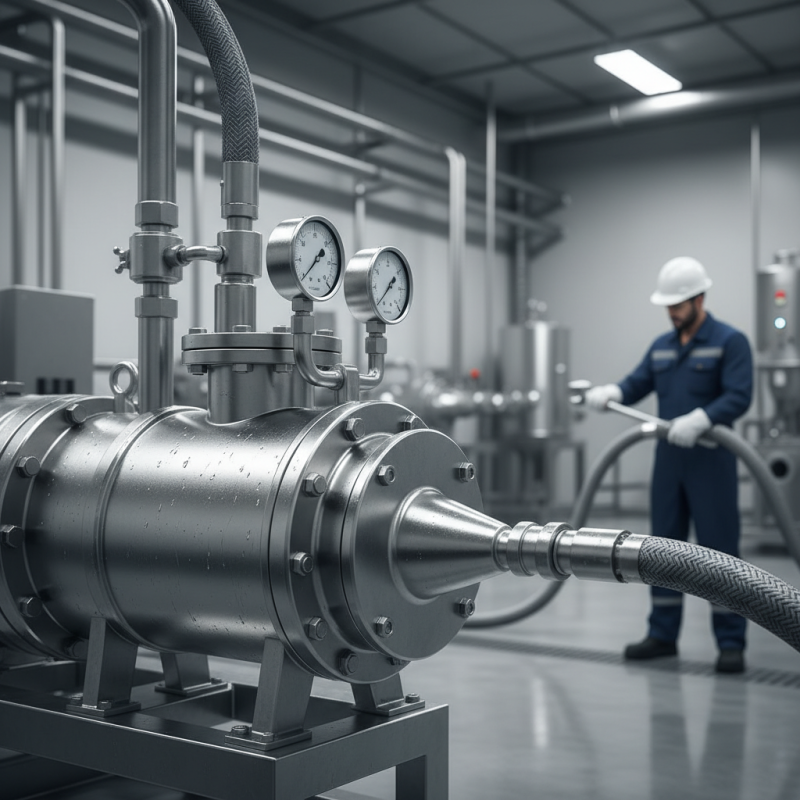
High pressure transfer pumps play a crucial role in various applications. These pumps move liquids efficiently, especially in industrial settings. They are designed to handle substantial pressure levels, enabling the transfer of water, chemicals, or fuel. Understanding how they function is essential for effective use.
Typically, these pumps feature a robust motor that powers the pump chamber. As the motor spins, it creates suction, drawing in fluid from the source. The pressure then pushes the liquid through the discharge nozzle, allowing for high flow rates. It’s important to check for leaks or blockages regularly. Neglecting maintenance can lead to inefficiencies.
Tips: Always wear protective gear when operating these pumps. Be aware of your fluid type. Not all liquids perform well under high pressure. Test your pump periodically to ensure everything runs smoothly. Inspections can save you from larger problems down the road.
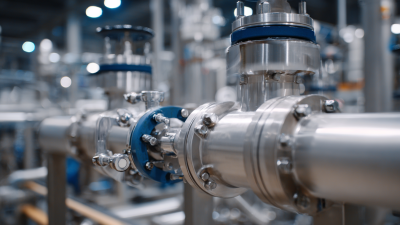
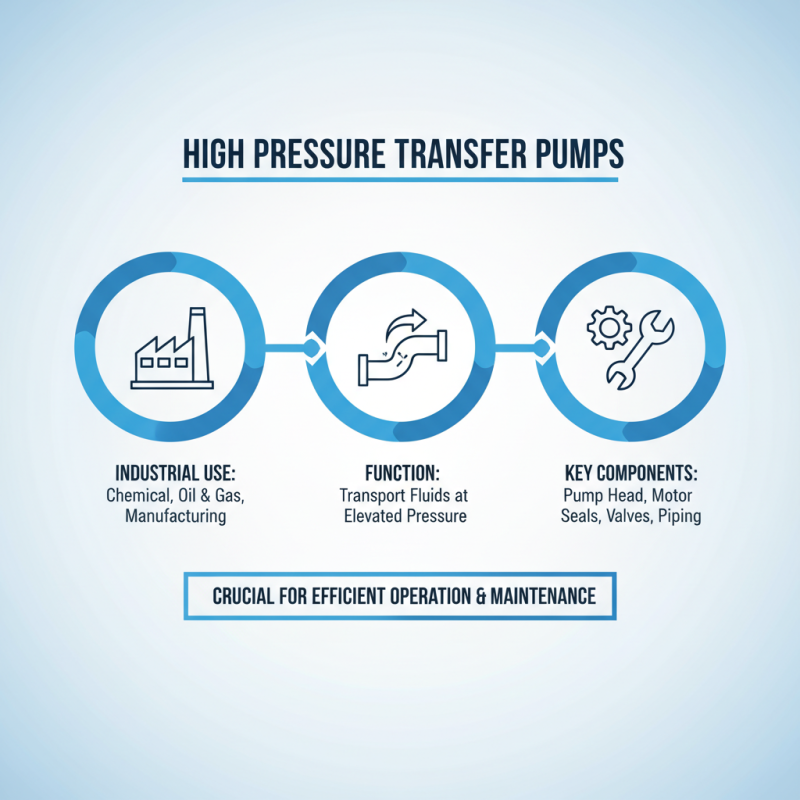
High pressure transfer pumps are essential in various industries. They transport fluids at high pressure through pipes and systems. Understanding their key components is crucial for effective operation and maintenance.
The pump's motor provides the initial force. It transforms electrical energy into mechanical energy. This energy drives the impeller, a vital component. The impeller's blades spin rapidly, creating a pressure differential. As a result, fluids are drawn into the pump and forced out under high pressure. According to a recent industry report, the efficiency of these motors can greatly impact overall pump performance, emphasizing the need for regular inspections.
Another key component is the pressure relief valve. This safety mechanism prevents dangerous over-pressurization. It releases excess pressure automatically, protecting both the pump and the entire system. Neglecting this valve can lead to significant risks, such as equipment failure. In fact, studies indicate that nearly 15% of pump failures are related to inadequate maintenance of pressure relief systems. Regular checks of both the impeller and pressure relief valve are vital for ensuring longevity and reliability in high pressure transfer pumps.
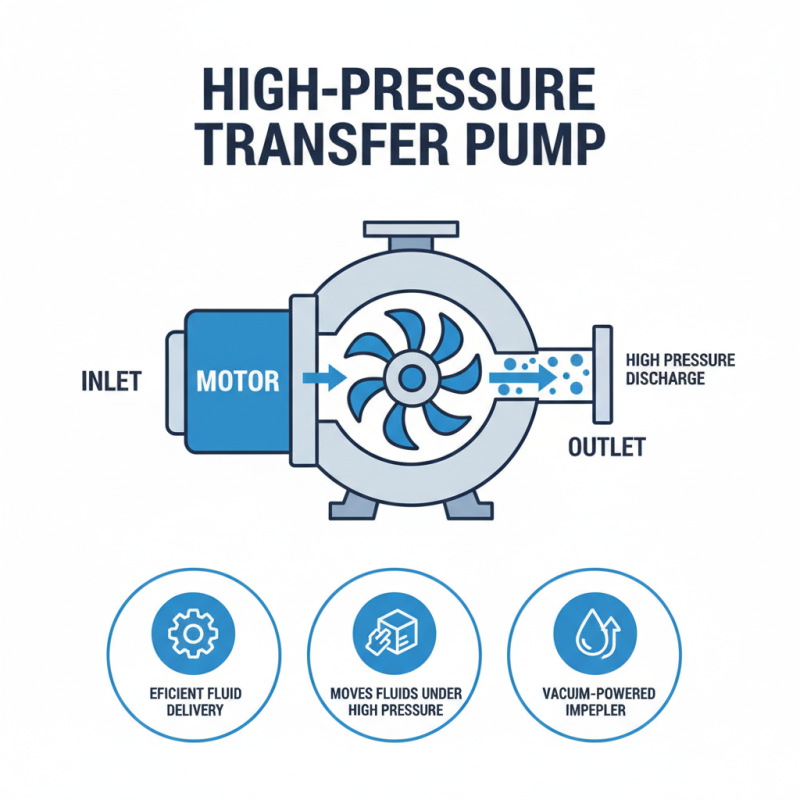
High pressure transfer pumps play a crucial role in various industries. They are designed to move fluids under high pressure, ensuring efficient fluid delivery. These pumps operate based on simple yet effective principles. They usually consist of a motor, a pump housing, and an impeller. The motor powers the impeller, creating a vacuum that draws in the fluid. This fluid moves through the pump and is discharged at a higher pressure.
The principle of operation is relatively straightforward. Fluid enters the pump through an inlet. The impeller spins rapidly, forcing the liquid outward. Centrifugal force generates pressure, pushing the fluid through the discharge outlet. However, this process may not always be perfect. If the pump is not properly calibrated, it can lead to cavitation. This condition can damage the pump and reduce efficiency.
Maintaining the pump's performance requires regular inspection and maintenance. Over time, wear and tear can affect its efficiency. Operators should check for leaks or blockages. These issues can impact flow rates. Each component's condition matters for optimal operation. A small oversight can have significant consequences. Understanding these principles can help operators make informed decisions about high pressure transfer pumps.
High pressure transfer pumps play a vital role in various industries. They are designed to move liquids under high pressure, which is crucial for many applications. In the oil and gas sector, these pumps transport crude oil and refined products. They ensure that the materials flow smoothly through pipelines, even over long distances. High pressure is necessary to overcome friction and maintain efficiency.
In the manufacturing industry, these pumps are used to handle chemicals and solvents. They help manage processes like mixing and cooling. High pressure transfer pumps are often part of closed-loop systems. These systems promote safety by containing hazardous materials. However, improper use can lead to serious issues. Installation and maintenance require careful attention. Small errors can result in leaks or equipment failure.
Water treatment facilities also benefit from high pressure transfer pumps. They move water through filtration systems, ensuring clean drinking water. In agriculture, these pumps help with irrigation. Proper water pressure is essential for crop growth. Yet, the performance of these pumps can wane over time. Regular checks and maintenance are important to ensure reliability. Each industry has unique needs, making high pressure transfer pumps versatile but also challenging to manage effectively.
High-pressure transfer pumps are vital in various industries. Their proper maintenance is crucial for optimal performance. Regular checks can prevent costly downtime. It is estimated that inefficient pump performance can lead to a 20% loss in productivity. Routine inspections can help catch issues early.
Safety is also a key factor. High pressures mean a higher risk of accidents. According to industry data, over 30% of pump-related injuries stem from improper usage. Operators must follow safety protocols. This includes using personal protective equipment and ensuring all fittings are secure. Regular training sessions can reinforce safe handling procedures.
Additionally, environmental factors must be considered. Contaminated fluids can damage pumps. At least 15% of pump failures are attributed to fluid contamination. Using filtration systems can mitigate this risk. Monitoring fluid quality is essential. Simple checks can prolong equipment life and ensure safety.
| Dimension | Value | Description |
|---|---|---|
| Pressure Rating | Up to 5000 PSI | Maximum pressure the pump can handle. |
| Flow Rate | 10 - 100 GPM | The volume of fluid the pump can transfer per minute. |
| Power Source | Electric / Diesel | Type of power used to operate the pump. |
| Applications | Hydraulic systems, Water blasting | Common uses for high pressure transfer pumps. |
| Maintenance Frequency | Monthly | Recommended interval for routine maintenance checks. |
| Safety Features | Pressure Relief Valve, Automatic Shut-off | Safety mechanisms to prevent over-pressure situations. |
Universal Pumping
625 Apache Trail
Woodstock, GA 30189
Mon - Fri | 9:00 AM - 5:00 PM
Universal Pumping is staffed with industry professionals with 20-45 years experience with high pressure pumping systems. We represent only the “elite producers” in pump manufacturing: Britain’s EMS and Germany’s EMMERICH. Our engineering and manufacturing approach is conservative, and we do not use “guess work” in the design or sales of our pumping and filtration equipment.