High Pressure Transfer Pump Tips for Optimal Performance?

High pressure transfer pumps are crucial in various industries, including oil and gas, manufacturing, and water treatment. According to the Global Market Insights report, the high pressure transfer pump market is projected to achieve a compound annual growth rate (CAGR) of 6.5% by 2026. This signifies its importance and the need for optimal performance in demanding applications.

When operating such pumps, understanding tips for efficiency can make a significant difference. For example, regular maintenance is often neglected but vital. It is easy to overlook routine checks. Yet, a simple inspection can prevent costly downtime. New technology, like smart sensors, can enhance performance by monitoring pump health in real-time.

Users must also consider the specific application when selecting a high pressure transfer pump. Factors such as flow rate, viscosity, and temperature affect performance. Tailoring the pump choice to the application can prevent issues and ensure reliability. Failure to account for these details often leads to inefficiencies. By focusing on these aspects, operators can maximize the benefits of high pressure transfer pumps, ultimately achieving better operational outcomes.
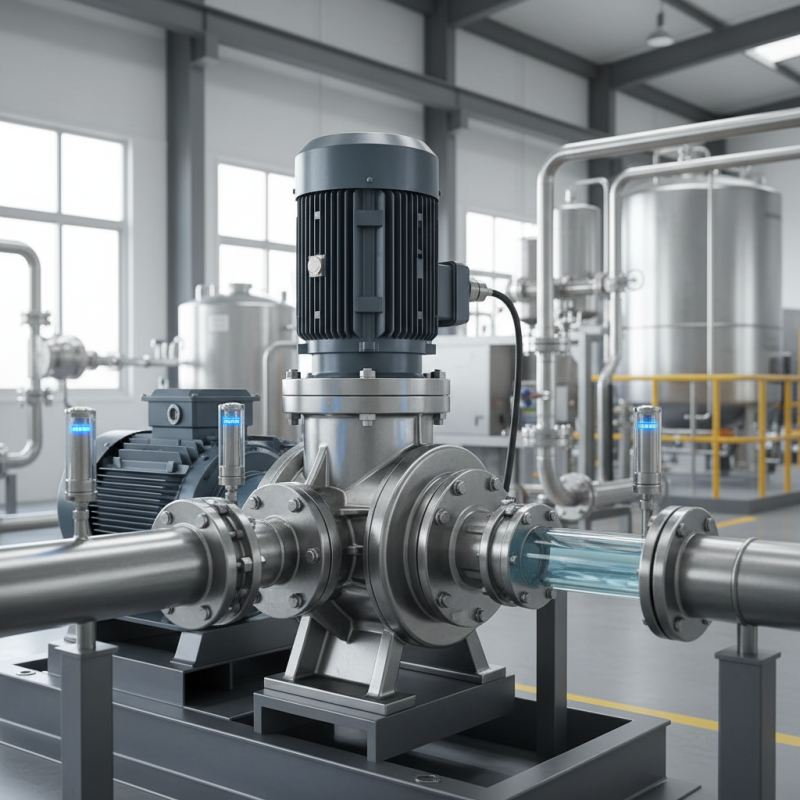
High Pressure Transfer Pump Tips for Optimal Performance?

Understanding High Pressure Transfer Pumps: An Overview

High pressure transfer pumps play a crucial role in various industries, including chemicals and oil. These pumps are designed to move fluids under high pressure, making them essential for efficient operations. According to recent industry reports, the global high pressure pump market is expected to reach USD 5.6 billion by 2027, growing at a CAGR of 4.4%. This growth highlights the increasing demand for efficient fluid transfer solutions.

To optimize the performance of high pressure transfer pumps, consider the following tips. Ensure the correct pump size for your application. An oversize pump can lead to energy waste, while an undersized pump may not meet operational needs. Regular maintenance is vital. Inspections should include checking seals, bearings, and impellers. Neglecting these components can result in inefficiencies.

Operating parameters also matter. Monitor the fluid viscosity and temperature. They directly impact pump performance. In some cases, users overlook these factors, leading to subpar results. It’s important to note that operating a pump outside its recommended range can cause damage. Always refer to manufacturer guidelines and maintain awareness of changing operational conditions.
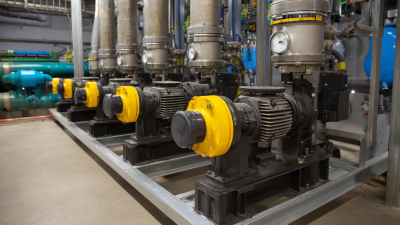

High Pressure Transfer Pump Performance Data

Key Components of High Pressure Transfer Pumps for Optimal Function

High-pressure transfer pumps are vital for various industrial applications. Understanding their key components helps achieve optimal performance. One important aspect is the pump casing. It holds all parts together and ensures that pressure is maintained. A well-made casing can withstand high pressures and prevent leaks. However, defects in the casing might lead to expensive failures.

Next, the impeller plays a crucial role. It is the heart of the pump, moving the fluid efficiently. The design of the impeller impacts flow rates significantly. A poorly designed impeller can cause cavitation, leading to noise and damage. It’s essential to regularly check the impeller for wear and tear. Sometimes, users overlook this detail, resulting in reduced efficiency.

Another key component is the motor. The motor generates the power needed to drive the pump. A mismatched motor can compromise the pump's performance. Users might not realize this until performance declines. Regularly testing the motor and ensuring compatibility with the pump specifications can prevent issues. Maintenance is crucial for long-term reliability.

Maintenance Tips to Enhance High Pressure Transfer Pump Performance

High pressure transfer pumps are essential for many applications. Regular maintenance keeps them performing at their best. A simple inspection can reveal significant wear. Look for any leaks or unusual noises. These could indicate underlying issues.

Check the filters frequently. Clogged filters can weaken flow, leading to inefficient performance. Replace them when necessary. Cleaning filter screens is often overlooked but crucial. It can enhance the pump's lifespan. Pay attention to the pump's suction and discharge lines. Any restrictions here can cause headaches down the line.

Lubrication is vital, yet often neglected. Ensure all moving parts are greased according to specifications. Incorrect lubrication can lead to friction and heat. Monitor the pump's operating temperature closely. Too much heat can mean trouble. Sometimes, it’s good to pause and reflect on your practices. Are there steps you often skip? These small details can make a big difference.

Common Issues and Troubleshooting for High Pressure Transfer Pumps

High pressure transfer pumps are essential in various applications. However, they often face common issues that can hinder performance. Regular maintenance is crucial. Check for leaks regularly. Loose connections can lead to pressure drops. A small drip might seem insignificant, but it indicates a larger issue.

Cavitation is another serious problem. It occurs when the pump suction is too low. The pump experiences a loss of efficiency. Listen for unusual noises while operating. This might signal cavitation or other malfunctions. Inspect the impeller for damage. If it’s worn out, the pump won’t perform effectively.

Clogs can also affect flow rates. Debris in the system can cause significant problems. Make it a habit to flush the pump regularly. Use a clean filter to prevent rust and particles from entering the system. Sometimes, despite thorough checks, problems persist. In such cases, reviewing the entire setup may reveal overlooked issues.

Best Practices for Operating High Pressure Transfer Pumps Safely

High Pressure Transfer Pump Tips for Optimal Performance?

Operating high-pressure transfer pumps safely is critical for efficiency. Proper training ensures operators understand equipment functions. Knowing how to adjust pressure settings is vital. Regular inspections can prevent malfunctions. Operators should check for leaks and wear regularly.

Safety gear cannot be overlooked. Wearing gloves and goggles is essential. Mechanics may forget these simple steps, leading to accidents. Maintaining a safe distance while running the pump is a common oversight. Operators should consider using remote controls when possible.

Emergency shut-off procedures must be clear to everyone. Panic can lead to mistakes in a crisis. Regular safety drills can help reinforce these protocols. Reflecting on past incidents can offer valuable lessons. Establishing a culture of safety is essential for effective operation.

Company Info

Universal Pumping

625 Apache Trail
Woodstock, GA 30189

Mon - Fri | 9:00 AM - 5:00 PM

Connect With Us

About Universal Pumping

Universal Pumping is staffed with industry professionals with 20-45 years experience with high pressure pumping systems. We represent only the “elite producers” in pump manufacturing: Britain’s EMS and Germany’s EMMERICH. Our engineering and manufacturing approach is conservative, and we do not use “guess work” in the design or sales of our pumping and filtration equipment.