What is a Piston Diaphragm Pump and How Does It Work?

A piston diaphragm pump is an essential device in various industries. It can efficiently move liquids and slurries with precision. Understanding how this type of pump works reveals its importance in daily operations.

The design consists of a piston and a diaphragm. The piston generates pressure, while the diaphragm ensures a leak-free operation. This mechanism allows the pump to handle a wide range of fluids. Many users appreciate its reliability and efficiency.

However, it's crucial to consider potential issues. Over time, wear and tear can affect performance. Regular maintenance is necessary but often overlooked. Too often, users take pump efficiency for granted. A deeper understanding of the piston diaphragm pump can lead to better outcomes and fewer surprises.
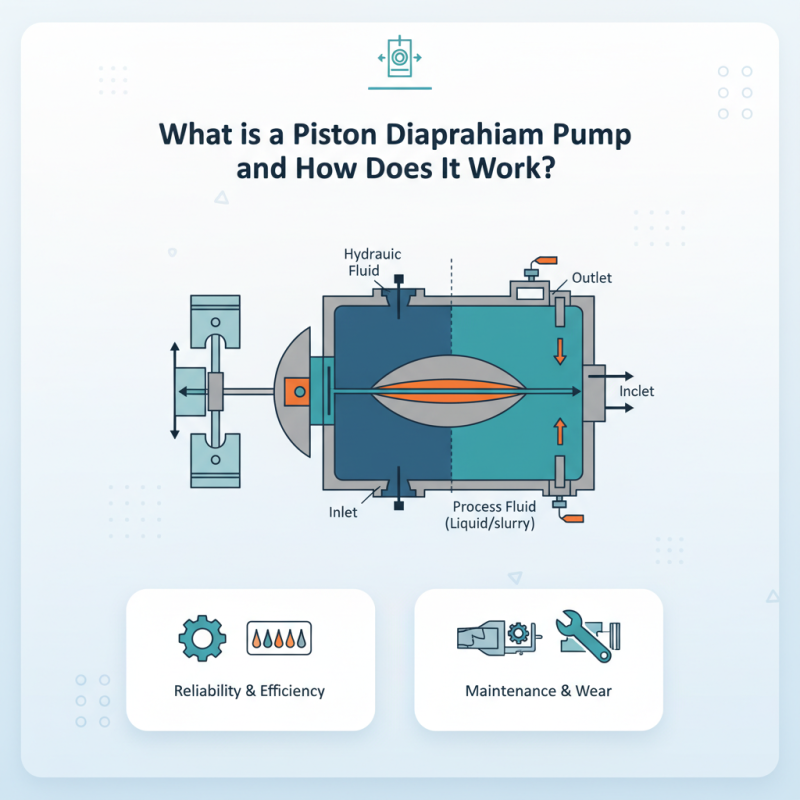
What is a Piston Diaphragm Pump and How Does It Work?

What is a Piston Diaphragm Pump?

A piston diaphragm pump is a mechanical device that moves fluids with precision. It utilizes a diaphragm to create a vacuum, allowing for the suction and discharge of fluids in various industrial applications. Typically, the pump consists of a piston that moves back and forth, which subsequently moves the diaphragm. Reports indicate that the market for diaphragm pumps is expected to grow by 6.3% annually, driven by rising demands for accurate fluid handling.

These pumps are known for their ability to handle corrosive fluids. They are particularly useful in chemical processing industries. Additionally, they can manage slurries and viscous liquids effectively. The diaphragm seals the fluid from the outside environment, preventing leaks. However, regular maintenance is vital to ensure optimal function. Industry studies have shown that inadequate upkeep can lead to significant drops in performance.

Tips: Regularly check for wear and tear on diaphragms. Monitoring pump performance can prevent sudden failures. Consider implementing a maintenance schedule for long-term reliability. Additionally, improper installation can create issues. Always follow best practices during setup to avoid common pitfalls in operation.
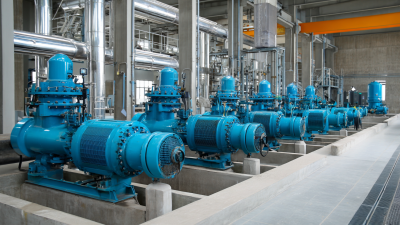
Key Components of a Piston Diaphragm Pump

A piston diaphragm pump is a reliable and efficient device used in various industries. It utilizes a unique design involving key components to create a positive displacement action. The primary components include the diaphragm, piston, and valve assembly. The diaphragm acts as a barrier that separates the pumping chamber from the fluid being handled.

The diaphragm is typically made of durable materials like rubber or PTFE. This ensures compatibility with different fluids. The piston generates pressure, allowing the diaphragm to flex and create suction. Valves control the inflow and outflow of the fluid, maintaining efficiency. Reports indicate that diaphragm pumps can handle around 95% of hydraulic applications with varying viscosity. This versatility is crucial for manufacturing, chemical processes, and water treatment.

**Tips:** Choose the right diaphragm material for your specific application. Compatibility affects the pump's lifespan. Regular maintenance can drastically improve performance. Neglect can lead to leaks or inefficiencies, disrupting operations.

Piston Diaphragm Pump: Key Components and Performance Metrics

How Piston Diaphragm Pumps Operate Mechanically

Piston diaphragm pumps use a unique mechanical design. At the core, the pump consists of a piston and a diaphragm. When the piston moves, it creates pressure changes. This action forces the diaphragm to flex. As a result, liquid is drawn into the pump and then expelled.

The process starts when the piston moves backward. This creates a vacuum that opens an inlet valve. Liquid enters the chamber. When the piston moves forward, the diaphragm bulges. The outlet valve opens, allowing the liquid to exit. This back-and-forth motion continues, creating a steady flow of liquid.

However, these pumps have limitations. They can be sensitive to the viscosity of the liquid. Thicker substances may cause issues. Additionally, the diaphragm can wear out over time. Regular maintenance is necessary to ensure efficient operation. Understanding these mechanics is key for anyone using them in various applications.

Applications of Piston Diaphragm Pumps in Various Industries

Piston diaphragm pumps are widely used across various industries. Their versatility makes them ideal for handling corrosive fluids and high-viscosity substances. According to a recent report by Global Market Insights, the diaphragm pump market is expected to surpass $7 billion by 2027. This growth indicates a strong reliance on these pumps in sectors like chemicals, pharmaceuticals, and food processing.

In the chemical industry, these pumps effectively manage toxic and acidic materials. They provide a safe solution for transferring hazardous substances without leakage. In food processing, diaphragm pumps maintain strict hygiene standards. They can handle viscous products like syrups or sauces, ensuring quality and consistency. Yet, there are challenges. Ensuring the seals are intact is crucial to avoid contamination.

The oil and gas sector also benefits from piston diaphragm pumps. They play a significant role in moving high-pressure fluids. Analysts project a steady increase in the demand for reliable pumping solutions in this area. However, maintenance can be demanding. Operators must frequently check for wear and tear. This can lead to downtime, impacting overall efficiency.

What is a Piston Diaphragm Pump and How Does It Work? - Applications of Piston Diaphragm Pumps in Various Industries

Application Industry Typical Fluids Handled Common Advantages Key Specifications
Chemical Processing Corrosive Chemicals, Slurries Mild abrasion resistance, High precision Flow rates up to 100 L/min, Pressure up to 10 bar
Water Treatment Wastewater, Chemicals Robust design, Versatile fluid handling Flow rates up to 50 L/min, Pressure up to 8 bar
Food and Beverage Viscous liquids, Biopharmaceuticals Hygienic design, Easy maintenance Flow rates up to 30 L/min, Pressure up to 6 bar
Pharmaceutical Active Pharmaceutical Ingredients, Solvents Accurate dosing, Leak-free operation Flow rates up to 20 L/min, Pressure up to 8 bar
Agriculture Fertilizers, Pesticides Durable construction, High efficiency Flow rates up to 40 L/min, Pressure up to 5 bar

Advantages and Limitations of Piston Diaphragm Pumps

What is a Piston Diaphragm Pump and How Does It Work?

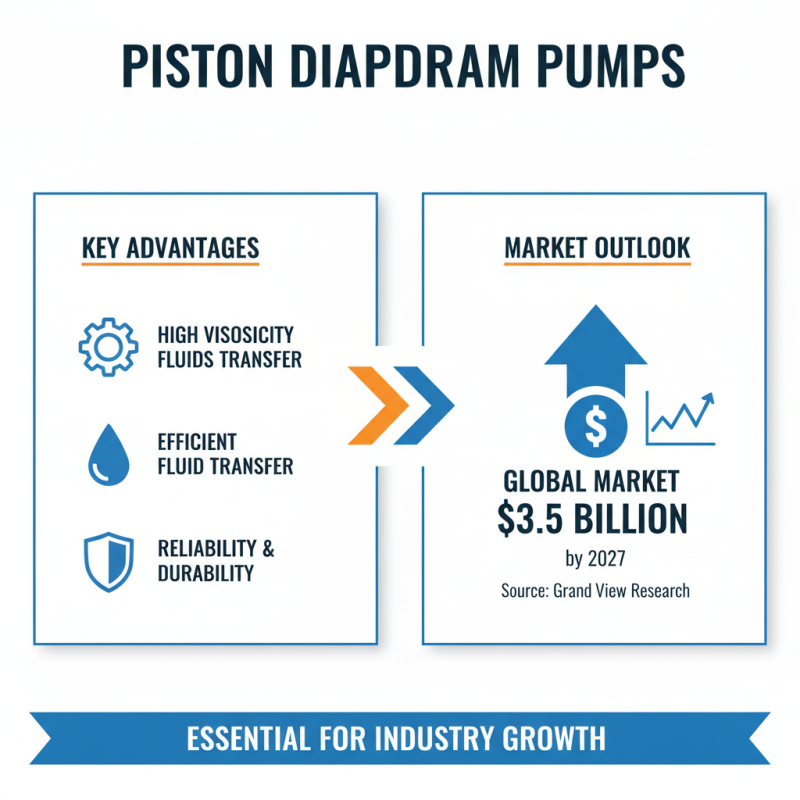
Piston diaphragm pumps offer several advantages in various applications. They excel in transferring fluids, especially those with high viscosity. According to a report by Grand View Research, the global diaphragm pumps market is expected to reach $3.5 billion by 2027. This growth indicates a strong industry reliance on these pumps for their efficiency and reliability.

However, there are limitations to consider as well. Piston diaphragm pumps can experience wear and tear due to constant movement. This results in maintenance needs that can affect operational costs. Additionally, they are not always ideal for abrasive materials. Over time, this can lead to reduced performance and increased downtime, which is a concern for many operations.

Despite these drawbacks, their ability to handle pressure variations remains unmatched. They operate effectively in demanding environments, ensuring reliable performance. Yet, it's vital to weigh the pros and cons depending on specific fluid characteristics and operational needs. Constant evaluation helps optimize pump performance and extends its lifecycle, which is essential for any industrial setting.

Company Info

Universal Pumping

625 Apache Trail
Woodstock, GA 30189

Mon - Fri | 9:00 AM - 5:00 PM

Connect With Us

About Universal Pumping

Universal Pumping is staffed with industry professionals with 20-45 years experience with high pressure pumping systems. We represent only the “elite producers” in pump manufacturing: Britain’s EMS and Germany’s EMMERICH. Our engineering and manufacturing approach is conservative, and we do not use “guess work” in the design or sales of our pumping and filtration equipment.