
Why THC Vape Regulations Matter for Global Buyers?

For global buyers, a thc vape is not simply a device in a box. Product standards, labeling rules, testing requirements, and age restrictions can differ sharply between markets. A specification accepted in one jurisdiction may be incomplete or unsuitable in another. Rules differ.

Cannabis policy researcher Beau Kilmer has emphasized, “There is no one-size-fits-all approach to cannabis policy.” That principle matters when buyers assess suppliers and product documentation. Check the requirements published by the relevant local authorities, rather than relying on a vendor’s broad claims. Review ingredient disclosures, batch testing records, packaging details, and traceability information. These documents should be clear, current, and consistent with the destination market’s rules. A missing date or mismatched batch number is a small detail with practical consequences.

Responsible sourcing also means asking how quality is maintained from production through delivery, using only authorized channels. Avoid assuming that a product’s availability online proves it can be legally purchased or shipped to a particular place. It does not. Even careful paperwork cannot guarantee consistent quality, and standards may change. That deserves reflection. Buyers should verify current requirements independently and seek qualified compliance advice when the rules are unclear. This guide introduces the checks that help make THC vape purchasing decisions more informed, cautious, and accountable across different markets.
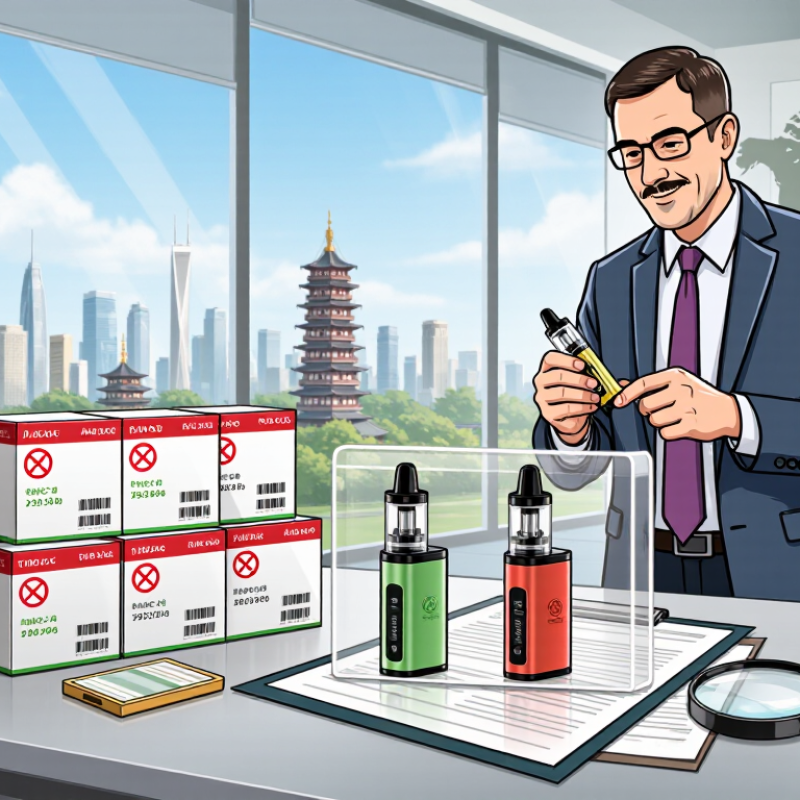
Why THC Vape Regulations Matter for Global Buyers?

What THC Vape Regulations Cover

In jurisdictions where THC vape products are legally permitted, regulations define who may make, sell, and use them. They often set age limits and licensing requirements, while restricting access by minors. Product rules can cover THC concentration, ingredient disclosure, batch testing, and checks for contaminants such as residual solvents or heavy metals. Device standards may address battery protection, leakage, and consistent operation. These details matter. Labels may need to identify contents, provide applicable serving information, display warnings, and explain safe storage.

Rules also govern manufacturing records, packaging, advertising, and product traceability. Authorities may require child-resistant packaging and restrict medical claims that lack approval. Requirements differ by country and sometimes by state or province; a product accepted in one place may not be accepted elsewhere. Buyers should verify current rules with the relevant regulator before making business or shipping decisions, including checks for transit locations. Paperwork alone is not proof of compliance. Independent test reports can help, but they should match the exact batch and product. One difficulty is that standards change, and translated labels can lose important details.

How THC Vape Laws Differ Across Countries

THC vape rules differ sharply from one country to another. Some jurisdictions permit limited medical use under strict conditions, while others prohibit these products entirely. The legal definition can vary too. One country may regulate the liquid, device, or both, creating different requirements for manufacturers and importers.

Rules can cover age limits, product testing, ingredient disclosures, packaging, and permitted sales channels. For example, a label accepted in one market may not meet another market’s language or health-warning requirements. Customs rules also matter: permission to sell a product locally does not automatically permit bringing it across a border. Small details count. Even transit through another country can raise questions, so buyers should never assume that familiar packaging means universal approval.

Reliable checks begin with current government guidance, not old articles or informal supplier claims. Buyers should confirm the product category, licensing requirements, and import conditions with the relevant regulator or qualified legal adviser. Requirements change, and official pages can be difficult to interpret. That uncertainty is worth acknowledging. A careful compliance review may take time, but it helps prevent costly misunderstandings and supports responsible purchasing decisions.

Which Product Standards and Labels May Be Required

In markets where THC vape products are expressly permitted, labels help buyers check what a product contains and how it was assessed. Requirements differ by jurisdiction, so one label cannot be assumed valid everywhere. Cross-border rules may also differ from local retail rules.

Look for the active ingredient and its stated concentration, a complete ingredient list, batch or lot number, and the responsible manufacturer or importer. Some jurisdictions require child-resistant packaging, age restrictions, health warnings, or specific storage instructions. Keep the package. Details matter.

Where available, a batch-linked laboratory report can show testing for potency and contaminants. Check that its batch number matches the package, and that the report comes from an appropriately accredited laboratory. Product standards may also cover device electrical safety, leakage, materials, and emissions. A polished label is not proof of compliance; details can be incomplete or hard to verify. Buyers should compare the package with current requirements from the relevant regulator, rather than relying on a supplier’s broad claims.

Why THC Vape Regulations Matter for Global Buyers

Required package-label elements for cannabis extracts in Canada

Each bar represents a required label element under Canadian federal cannabis rules. The standardized cannabis symbol is not shown because it applies only when THC concentration exceeds the regulatory threshold. Requirements differ by destination and product type, so buyers should verify local rules before importing or selling.

Source: Health Canada, Cannabis Regulations and cannabis packaging and labelling guidance. Official guidance

How Regulations Affect Importing, Sales, and Access

THC vape regulations shape whether products can be imported, sold, or accessed in a particular market. Rules differ across countries and may also vary within a country. Buyers should verify local requirements before placing an order. These may cover product classification, permits, customs paperwork, testing records, and ingredient disclosures. A shipment should move only where the product and transaction are legally permitted. Missing documents can delay a lawful shipment or prevent its release.

Sales rules affect what retailers can offer and how products are presented. Local requirements may set standards for packaging, health information, age checks, or product testing. Access can change when regulations are updated, so yesterday’s guidance may no longer be reliable. One detail is easy to overlook: a product accepted in one market may not meet another market’s standards. Requirements can be unclear, too, so buyers should confirm them with qualified local advisers or relevant authorities.

Tips: Check current rules in both the origin and destination markets. Keep permits, test results, and shipping records organized. Confirm that every supplier and sales channel is authorized. When information conflicts, pause and seek clarification; guessing is a poor import strategy.

Why THC Vape Regulations Matter for Global Buyers? — How Regulations Affect Importing, Sales, and Access

Regulatory overview: rules differ by product, buyer type, and jurisdiction, and can change. This table is informational, not legal advice; verify current requirements with the relevant authorities before ordering, shipping, or selling.

Market Regulatory framework Importing implications Sales and buyer access Why it matters to global buyers
United States Federal and state rules can differ. Cannabis remains subject to federal controlled-substance restrictions, while some states authorize regulated cannabis markets. State authorization does not by itself authorize cross-border or interstate shipment. Importing and transporting THC products can trigger federal and other jurisdictional restrictions. Legal access depends on the state, local rules, licensing, and applicable age requirements. A product allowed in one state may not be allowed in another. Buyers must check both the destination rules and the route the shipment would take; a state-licensed market does not create a general import right.
Canada Non-medical cannabis is federally regulated, with provinces and territories overseeing important aspects of retail distribution and access. International import and export are controlled activities. They generally require specific federal authorization and are not equivalent to ordinary consumer parcel shipping. Retail channels, minimum age, and other access conditions vary by province or territory. Products must meet applicable federal requirements. Buyers need to distinguish a regulated domestic market from permission to bring products into or out of the country.
European Union There is no single EU-wide recreational cannabis market. Cannabis and THC rules are primarily determined by individual member states, alongside applicable EU product and customs rules. Rules can differ at both the origin and destination. A product's status in one member state does not establish that it may be shipped to another. Possession, medical access, and any permitted adult-use arrangements vary across member states. Commercial sale may require national authorization. Buyers should verify the exact destination country's rules rather than relying on a general “EU-compliant” claim.
United Kingdom THC is a controlled drug under UK law. Cannabis-based products for medicinal use are subject to a distinct prescription-based framework. Importing controlled drugs may require appropriate licences or permits; ordinary consumer shipping should not be assumed to be permitted. Recreational THC vape sales are not generally lawful. Lawful medicinal access is subject to prescription and applicable controlled-drug requirements. Product descriptions such as “medical,” “hemp,” or “compliant” do not replace checking the product's legal status and required authorizations.
Australia Cannabis access is regulated through federal and state or territory frameworks. Medicinal cannabis is managed through specific authorization pathways. Importing medicinal cannabis products is subject to Australian controls and relevant approvals; personal or commercial import should not be presumed lawful. Medicinal access generally depends on an authorized prescribing and supply pathway. Rules for possession and other uses can vary by state or territory. Buyers should confirm product eligibility, permits, and the intended supply route before arranging a shipment.
Cross-market considerations THC concentration, ingredients, device specifications, packaging, labelling, testing, and intended use may all affect how a vape product is classified. Customs declarations, controlled-substance rules, permits, and carrier policies may apply independently. Transit through a third country can create additional restrictions. Age limits, retail licences, health warnings, advertising restrictions, and product testing requirements may apply even where some sales are permitted. Before purchase, confirm the exact product, buyer eligibility, destination, transit route, and required licences with official sources and qualified advisers.

How Global Buyers Can Check Compliance Before Purchasing

Before purchasing a THC vape, confirm that the product is permitted in both the place of sale and your destination. Rules differ by jurisdiction and can change. Check current guidance from official government or regulator sources, not only a seller’s FAQ. If the rules are unclear, pause rather than assume that a product sold abroad can be brought home. Details matter.

Ask for documents that identify the product and its intended market, such as a compliance certificate, batch number, ingredient list, and test results from a qualified laboratory. Check that names, dates, and batch details match across the documents and package. Look for clear warnings, use instructions, and age restrictions where applicable. A polished label is not proof of compliance. Even a tidy file can leave gaps, and it is worth admitting when evidence is incomplete.

Review the seller’s business details, return terms, and process for answering safety questions. Request written confirmation of applicable standards and any required authorizations; then verify those claims independently where possible. Check shipping conditions too, since transport rules may differ from retail rules. Do not buy, import, or carry a product where it is restricted or authorization is missing. Keep records of the documents you reviewed, and reconsider if the seller pressures you to decide quickly.

Company Info

Universal Pumping

625 Apache Trail
Woodstock, GA 30189

Mon - Fri | 9:00 AM - 5:00 PM

Connect With Us

About Universal Pumping

Universal Pumping is staffed with industry professionals with 20-45 years experience with high pressure pumping systems. We represent only the “elite producers” in pump manufacturing: Britain’s EMS and Germany’s EMMERICH. Our engineering and manufacturing approach is conservative, and we do not use “guess work” in the design or sales of our pumping and filtration equipment.