2026 Top Types of Chemical Pumps for Global Buyers?
Selecting the right chemical pumps in 2026 requires more than comparing flow rates or purchase prices. Global buyers must match pump design with fluid chemistry, viscosity, temperature, pressure, and operating hours. A pump handling dilute acid may fail quickly when exposed to concentrated chemicals. Material compatibility matters at every contact point, including the casing, diaphragm, impeller, seals, and connections.
This guide examines major chemical pumps, including magnetic-drive, diaphragm, metering, centrifugal, peristaltic, and screw pumps. Each type serves different process conditions. Magnetic-drive pumps can reduce leakage risks, while diaphragm pumps suit demanding dosing and transfer tasks. Metering pumps offer controlled injection. Peristaltic models can protect sensitive fluids from unnecessary contact with mechanical parts. The best choice depends on verified performance, not attractive catalog language.
Real equipment experience shows that small details often decide reliability. A crystallizing liquid may block a narrow passage. Fine particles can accelerate wear. A seal that performs well at room temperature may struggle near a heated reactor. These factors deserve careful review.
No universal winner exists.
Reliable purchasing should include technical datasheets, material certificates, test records, service capacity, spare-part availability, and clear warranty terms. Buyers should also confirm applicable safety requirements and local installation rules before ordering. Independent engineering review can prevent costly misunderstandings, especially for cross-border projects.
This comparison is practical, but not perfect. Site conditions vary, and published pump data may not reflect every real process. Treat the recommendations as a starting point. Ask suppliers for documented evidence, request application feedback, and validate the selected chemical pumps under realistic operating conditions. Performance begins with questioning assumptions.
Chemical Pump Basics: Functions, Materials, and Operating Principles
Chemical pumps move acids, solvents, caustics, slurries, and high-purity fluids through controlled processes. Their basic function is simple: convert mechanical energy into fluid pressure and flow. The operating principle is not simple in practice. Centrifugal pumps use rotating impellers for continuous flow, while diaphragm and other positive-displacement pumps move measured volumes through repeated chambers.
Material selection starts with chemical compatibility, not price. Stainless steel suits many moderate services, but concentrated acids may require fluoropolymers, ceramics, or specialized alloys. Diaphragm materials also matter because swelling can damage accuracy and containment. ISO 2858 provides dimensional guidance for many centrifugal pumps, while API 685 addresses sealless centrifugal designs. These standards improve selection, yet they do not replace fluid testing.
Energy deserves attention. The U.S. Department of Energy reports that pumping systems can represent 25% to 50% of industrial motor energy use, depending on the facility and application. Poorly sized pumps often run far from their best efficiency point, causing vibration, heat, and premature wear. Grand View Research estimated the global chemical pumps market at over USD 8 billion in 2023, with continued growth expected through the decade. That forecast is useful, but forecasts can miss sudden changes in regulations, feedstock prices, or process design. Field data remains more reliable. A proper specification should include viscosity, temperature, solids content, pressure, flow range, seal exposure, and the cost of failure.
How to Match Pump Types with Chemicals and Industrial Applications
2026 Top Types of Chemical Pumps for Global Buyers?
How to Match Pump Types with Chemicals and Industrial Applications
Pump selection starts with the chemical, not the catalog. Centrifugal pumps suit low-viscosity liquids and steady transfer. Diaphragm pumps handle metering, corrosive fluids, and changing flow rates. Peristaltic pumps work well with abrasive slurries because the liquid contacts only the hose. Screw pumps are better for viscous liquids, such as oils, resins, and concentrated additives.
Material compatibility requires more than checking pH. Temperature, concentration, vapor pressure, solids, and cleaning chemicals can change the result. PTFE-lined or fluoropolymer components may resist aggressive acids, while 316L stainless steel suits many cleaner process fluids. However, stainless steel can fail in chloride-rich service. That detail is often missed.
The U.S. Department of Energy reports that pumping systems can represent about 25% of industrial motor-system energy use. Correct sizing matters. Oversized pumps waste energy and may damage seals through frequent throttling. A 2024 industry energy-efficiency report from the International Energy Agency also identifies motor-driven systems as a major industrial efficiency opportunity. In practice, a pump may meet flow targets yet still perform poorly. I would verify viscosity at operating temperature, not room temperature, and test seal materials with the actual chemical. Small assumptions create expensive failures.
2026 Top Types of Chemical Pumps for Global Buyers
Typical flow capacity ranges help match pump types with chemical properties and industrial applications. Actual performance depends on viscosity, temperature, concentration, pressure, and material compatibility.
Flow values are representative operating capacities in litres per minute (L/min), based on commonly available industrial pump configurations rather than any specific manufacturer or brand.
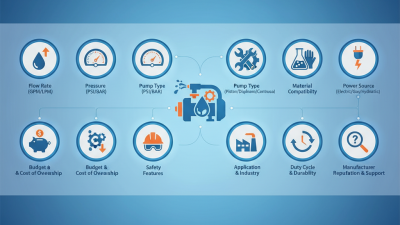
Key Buying Criteria: Flow, Pressure, Compatibility, and Safety
Selecting a chemical pump starts with the process, not the pump category.
Centrifugal pumps suit steady, high-flow transfer. Positive displacement pumps handle thicker fluids and controlled dosing. Peristaltic pumps can isolate the liquid from moving parts. Experience shows that actual viscosity often changes after heating or mixing. Small details matter.
Tips:
Record normal and peak flow rates separately. Check pressure at the operating point, not only the advertised maximum. Ask whether the system needs accurate metering, gentle handling, or continuous circulation. A neat spreadsheet can still mislead. One early assumption may be wrong.
Chemical compatibility requires more than checking the liquid name. Review concentration, temperature, abrasion, and exposure time. A material that survives a dilute solution may fail quickly at higher concentration. Wetted components, seals, and hoses should be evaluated together. Safety also depends on containment, leak detection, pressure relief, and proper electrical protection. Consider hazardous-area requirements where applicable. Operators need clear isolation procedures and accessible emergency controls. Do not overlook dry-running risk, blocked discharge, or unexpected vapor formation. In practice, the safest selection balances flow, pressure, compatibility, and maintenance access. A technically suitable pump may still be a poor choice if workers cannot inspect it safely.
Global Standards, Supplier Evaluation, and Total Ownership Costs
2026 Top Types of Chemical Pumps for Global Buyers
Selecting a chemical pump begins with the fluid, not the catalog photograph. Centrifugal pumps suit steady, high-flow transfer, while diaphragm and peristaltic pumps handle dosing or abrasive liquids. Magnetic-drive designs can reduce leakage risks when seal failure is unacceptable. Buyers should verify viscosity, temperature, vapor pressure, solids content, and required flow before comparing quotations. A pump rated for water may perform poorly with a dense solvent.
Global standards need practical checking. Request material certificates, pressure-test records, performance curves, and conformity documents for the destination market. ISO 2858 and EN 809 can support dimensional and safety evaluations, but local installation rules still matter. Inspect wetted materials carefully, including the casing, impeller, diaphragm, and elastomers. Small incompatibilities can cause swelling or corrosion. They are expensive surprises.
Supplier evaluation should include technical response quality, traceability, spare-parts access, field support, and realistic delivery dates. Ask for references using similar fluids and operating hours. Factory acceptance testing may expose vibration or flow deviations before shipment. Total ownership cost includes energy, seals, calibration, cleaning, downtime, training, and disposal. A low purchase price can become costly after repeated seal replacement. No scorecard is perfect. Weighting remains partly subjective, especially when service promises are difficult to verify. Feedback from operators often reveals what the quotation hides.