Universal Pumping | High Pressure Pumps
High Pressure Pumps for Difficult to Pump Slurry, Sludge, and Food Waste.
In recent years, the diaphragm transfer pump market has expanded significantly. Reports indicate a steady growth trajectory, with a projected CAGR of 5.4% from 2021 to 2028. This growth aligns with increased demand for effective fluid transfer across various industries, including agriculture, mining, and chemical processing.
Diaphragm transfer pumps are praised for their efficiency and reliability. They can transfer a wide range of fluids, from water to viscous chemicals. Their versatility makes them essential for operations requiring precise fluid management. Moreover, these pumps minimize mechanical wear due to their design, improving their lifespan and reducing maintenance costs.
However, not all diaphragm transfer pumps are created equal. Buyers must consider factors such as pump material, flow rate, and operating conditions. A choice based solely on price may lead to suboptimal performance. This guide will highlight the top five diaphragm transfer pump options available for global buyers, ensuring informed decisions that enhance operational efficiency.
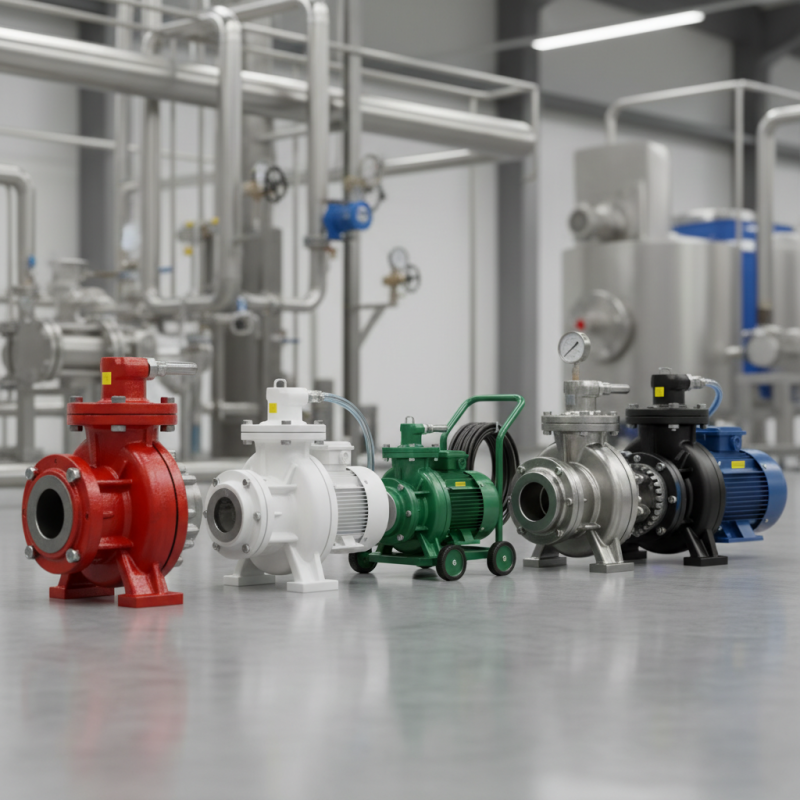
Diaphragm transfer pumps are vital in various industries. They are renowned for their ability to handle corrosive and viscous fluids, making them invaluable in applications ranging from chemical processing to food and beverage. In the chemical industry, reports indicate that diaphragm pumps can transfer aggressive media without contamination. Their design prevents backflow, ensuring efficiency.
The versatility of the diaphragm transfer pump is noteworthy. It can operate dry without damage, a feature that improves reliability. In water treatment, for instance, these pumps effectively manage sludge and chemicals. According to industry data, the global diaphragm pump market was valued at over $1 billion in 2022, with a projected growth rate of around 6% annually. Such figures highlight the increasing reliance on this technology.
However, challenges exist. While diaphragm pumps excel in performance, maintenance can be a concern. Users may find wear on the diaphragm itself, leading to downtime. Regular inspections are crucial. Balancing efficient operation with routine care is key. Industry professionals must remain vigilant to maximize performance and longevity.
When selecting a diaphragm transfer pump, there are several critical features to consider. Flow rate is essential. It dictates how quickly liquids move. Choose a pump that matches your operational needs. Adjustable flow rates can provide flexibility. This feature can enhance efficiency for varying tasks.
Material compatibility is another vital aspect. Different applications require pumps made of specific materials. For example, corrosive substances need pumps with chemical-resistant components. This prevents leaks and ensures safety. Additionally, ease of maintenance should not be overlooked. A pump that is straightforward to service will save time and reduce downtime.
Noise level is often a forgotten feature. Some environments require quiet operation. Select a design that minimizes sound. Energy consumption also plays a role. Efficient pumps save money in the long run. Lastly, consider the overall size and weight. Compact, lightweight pumps are easier to transport and install. Reflect on your specific needs before making a decision. Balancing these features can lead to better outcomes.
This chart illustrates key performance metrics of five different diaphragm transfer pump models. The dimensions compared include flow rate, pressure, weight, noise level, and price. Buyers can use this information to make informed decisions based on their specific needs.
When exploring diaphragm transfer pumps, global buyers have many options. Some brands are recognized for reliability and innovation in design. A report from MarketsandMarkets states that the diaphragm pump market is projected to reach over $4 billion by 2025. This growth highlights the importance of selecting quality models.
Leading models emphasize efficiency in liquid transfer while minimizing downtime. Many options boast a flow rate range that suits diverse applications. A notable feature is the self-priming capability of certain pumps, which is important for ensuring consistent operations in various settings.
However, potential buyers should be aware of the inevitable inconsistencies. Not all diaphragm pumps deliver the same performance under identical conditions. Some models may struggle with certain viscous fluids, impacting their reliability. Before making a decision, it is crucial to assess specific operational needs and limitations. Doing thorough research can help navigate the complexities of choosing the right pump.
When evaluating diaphragm transfer pumps, performance and efficiency are paramount. According to industry reports, centrifugal pumps often have lower efficiency than diaphragm pumps, typically operating at around 60-70%. In contrast, diaphragm pumps can achieve efficiencies exceeding 90%, making them ideal for various applications. This is particularly vital for industries requiring precise fluid handling, such as chemical processing and wastewater management.
Factors influencing pump performance include flow rate, pressure range, and material compatibility. Performance charts from reputable sources indicate that diaphragm pumps excel in handling viscous fluids, achieving flow rates ranging from 1 to 100 gallons per minute. However, not all diaphragm pumps are created equal. Some models may struggle with specific fluids or applications, leading to inefficiencies and increased operational costs. Users must consider the unique requirements of their processes to select the right pump.
Additionally, maintenance practices impact overall efficiency. Data suggests that poorly maintained pumps can lose up to 30% of their effectiveness over time. Regular inspection and timely replacement of components can prevent significant drops in performance. Users should weigh initial costs against long-term efficiency to achieve optimal returns on investment. A structured approach to evaluating diaphragm pump options can lead to better decisions.
| Pump Model | Max Flow Rate (L/min) | Max Pressure (bar) | Efficiency (%) | Weight (kg) | Price (USD) |
|---|---|---|---|---|---|
| Model A | 25 | 3.5 | 85 | 15 | 150 |
| Model B | 30 | 4.0 | 90 | 12 | 200 |
| Model C | 18 | 2.5 | 80 | 10 | 120 |
| Model D | 35 | 5.0 | 92 | 14 | 250 |
| Model E | 22 | 3.0 | 88 | 16 | 180 |
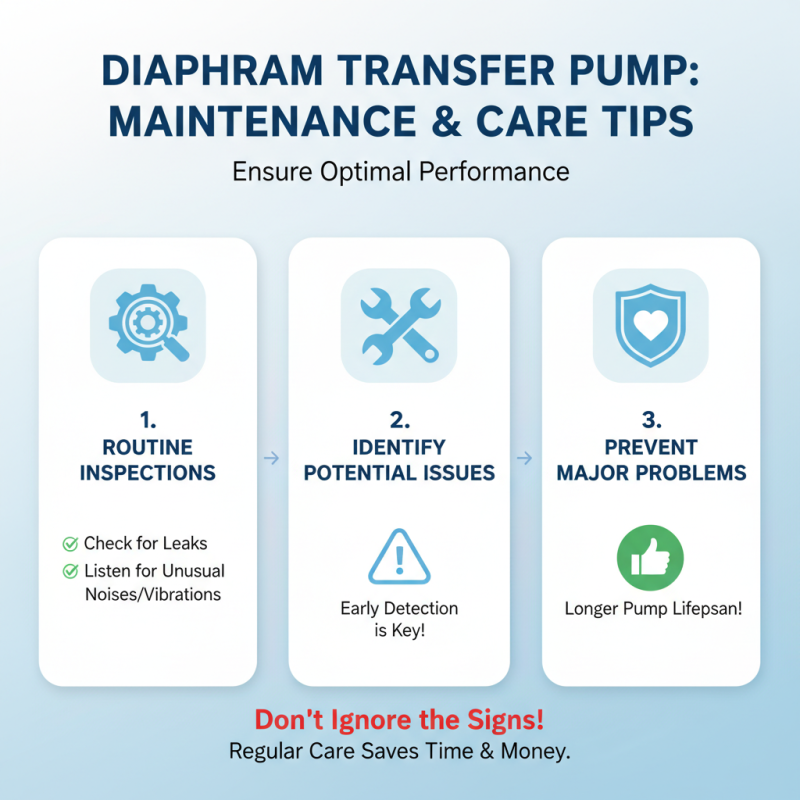
Diaphragm transfer pumps require regular maintenance to ensure optimal performance. A simple yet effective way to maintain these pumps is through routine inspections. Check for leaks, unusual noises, or vibrations. These signs can indicate potential issues. Ignoring these signs may lead to more significant problems down the line.
Regularly changing the filters and cleaning the pump is essential. Clogged filters can hinder performance and efficiency. Always follow the manufacturer’s guidelines for cleaning methods. Use suitable solvents and ensure no residues remain. This attention to detail can prolong the pump's life.
Monitoring the fluid compatibility is crucial. Using the wrong fluid can damage the diaphragm material. Always double-check fluid specifications before usage. If you notice repeated failures, reflect on your operating conditions. Maybe environmental factors or usage frequency need adjustment. Assessing these elements helps in planning better maintenance.
Universal Pumping
625 Apache Trail
Woodstock, GA 30189
Mon - Fri | 9:00 AM - 5:00 PM
Universal Pumping is staffed with industry professionals with 20-45 years experience with high pressure pumping systems. We represent only the “elite producers” in pump manufacturing: Britain’s EMS and Germany’s EMMERICH. Our engineering and manufacturing approach is conservative, and we do not use “guess work” in the design or sales of our pumping and filtration equipment.