Top 10 Electric Heat Relay Types for Global Buyers?
Electric heating is becoming more intelligent, distributed, and closely monitored. The International Energy Agency reported that global electricity demand may grow by about 4% annually through 2026. That growth increases pressure on switching devices inside ovens, HVAC systems, dryers, molding machines, and battery-production equipment.
This guide examines the Top 10 Electric Heat Relay Types for Global Buyers. It compares electromechanical relays, solid-state relays, hybrid relays, contactors, and specialized zero-crossing designs. Each option behaves differently under resistive loads, frequent cycling, high ambient temperatures, and narrow control tolerances. Small details matter. A relay installed beside a 300°C heating chamber faces very different stress from one inside a clean control cabinet.
Grand View Research has identified solid-state relays as a growing market segment, supported by industrial automation and energy-efficient equipment. The IEC 62314 and IEC 61810 standards also provide useful references for relay performance and safety evaluation. Yet market reports are not purchasing instructions. Ratings can be misunderstood.
Electrical engineering author Paul Gill wrote, “A relay is only as reliable as the system in which it operates.” That principle deserves attention here. Even a premium Electric Heat Relay may fail when heat dissipation, surge protection, wiring, or load compatibility is neglected. This overview therefore focuses on practical selection, not fashionable specifications. Some recommendations may require reassessment after field testing. That is the honest part.
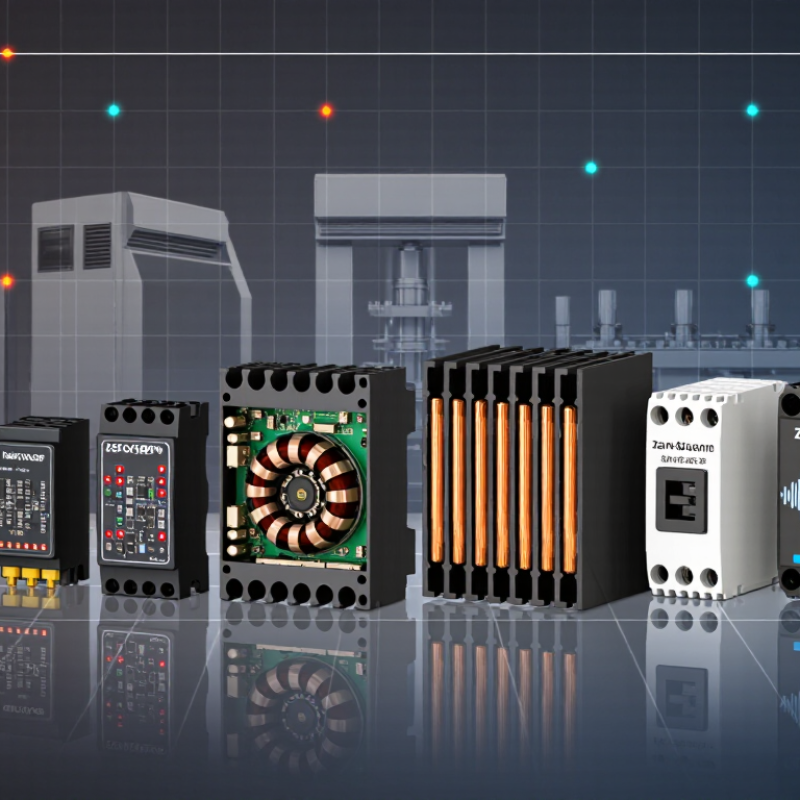
What Are Electric Heat Relays and How Do They Work?
Electric heat relays are control switches for heaters, ovens, dryers, and industrial warming systems. They separate the low-voltage control circuit from the higher-power heating circuit. When the coil receives a control signal, it creates a magnetic field and moves internal contacts. These contacts then supply electricity to the heating element.
The main types include electromechanical relays, solid-state relays, contactors, time-delay relays, latching relays, temperature-control relays, and hybrid relays. Electromechanical models provide visible contact movement and clear electrical isolation. Solid-state models switch quietly and respond quickly, but they produce heat during operation. A zero-cross design can reduce electrical stress when switching alternating current. Normally open contacts close when energized, while normally closed contacts open. Small details matter. A relay rated for voltage may still fail under excessive current, heat, or switching frequency.
Tips: Check the heater’s voltage, running current, inrush current, and control signal before selection. Allow extra capacity rather than choosing an exact rating. For solid-state types, use suitable heat dissipation and inspect terminal temperature during testing. Enclosures should match dust, moisture, and ambient-temperature conditions. Local electrical standards also matter, especially for high-power installations. In practice, product labels can be confusing, and a simple relay is not always a simple choice. A qualified technician should verify wiring, insulation, grounding, and protective devices before operation.
The Main Types of Electric Heat Relays Explained
Top 10 Electric Heat Relay Types for Global Buyers?
The Main Types of Electric Heat Relays Explained
Electric heat relays control heaters, ovens, dryers, and industrial thermal zones. The main choice is between electromechanical relays, solid-state relays, hybrid relays, and contactors. Electromechanical relays use physical contacts. They suit moderate switching rates and provide clear electrical isolation. However, contact wear and audible clicking can limit service life.
Solid-state relays use semiconductor components instead of moving contacts. Zero-cross AC relays reduce electrical noise during resistive heater switching. Random-fire relays offer faster temperature control, especially with phase-angle controllers. DC solid-state relays suit battery systems and direct-current heating loads.
Hybrid relays combine semiconductor switching with mechanical bypass contacts. This design can reduce heat losses, but its control circuit is more complex. Safety relays and monitoring relays add fault detection for high-risk heating equipment.
Power contactors handle larger currents and support straightforward panel maintenance. Thermal overload relays protect motors, not heating elements directly.
The International Energy Agency’s Energy Efficiency 2023 report identifies buildings as responsible for roughly 30% of global final energy use. Efficient switching therefore matters. Industry research from MarketsandMarkets also projects strong growth for the global solid-state relay market through the decade. These figures support wider adoption, but they do not remove selection risks.
A relay rated for 40 amps may require significant derating inside a hot enclosure. Cooling is often underestimated. So is leakage current. Check load inrush, ambient temperature, switching frequency, insulation voltage, and applicable IEC requirements before purchasing. No relay type is universally best.
How to Choose the Right Heat Relay for Global Projects
Top 10 Electric Heat Relay Types for Global Buyers
How to Choose the Right Heat Relay for Global Projects
Global electrification is increasing the need for dependable thermal protection. The IEA Electricity 2024 report forecasts average global electricity demand growth of 3.4% from 2024 to 2026. For project buyers, heat relay selection must match real operating conditions, not only catalog ratings.
Common choices include bimetal overload relays, electronic overload relays, solid-state relays, thermal cutoffs, phase-failure relays, single-phase motor relays, three-phase motor relays, heater-control relays, temperature-sensing relays, and resettable thermal protectors. Start with the load type. A motor needs overload and phase-loss protection. A heating element may need fast switching and precise temperature control. Check rated current, voltage, trip class, ambient temperature, duty cycle, and reset method. Small details matter.
Use IEC 60947-4-1 as a reference for low-voltage contactor and motor-starter coordination. For global projects, verify insulation, terminal spacing, enclosure conditions, and local certification requirements.
The relay must survive transport, humidity, dust, and unstable supply conditions. It sounds obvious. It is often missed.
Electronic models provide better accuracy, but they can be more sensitive to wiring quality and electromagnetic noise. Bimetal designs are simple and proven, yet their response changes with ambient heat. I would not select by price alone. Field testing under the actual cabinet temperature is still necessary, even when the datasheet looks convincing.
Safety, Standards, and Maintenance Requirements for Heat Relays
Electric heat relay selection affects safety, efficiency, and service life. Common options include thermal overload, electronic current-sensing, solid-state, electromechanical, latching, and time-delay relays. Each type reacts differently to overloads, short cycling, and ambient heat. The IEA’s Energy Efficiency 2023 report states that buildings consume roughly 30% of global final energy. A poorly controlled heater can increase this burden.
IEC 60730-1 addresses automatic electrical control safety, while IEC 60947-4-1 covers switching equipment and motor starters. Buyers should verify voltage, load category, insulation rating, creepage distance, and fault protection. Local certification still matters. Do not assume one certificate works everywhere. NFPA 70B emphasizes documented electrical maintenance and condition-based inspection. Check terminal torque, contact wear, enclosure temperature, and insulation resistance during scheduled service. Dust around a relay can hold heat like a blanket. That detail is easy to miss.
Tips: Keep a test log with date, current, temperature, and trip response. Replace relays showing welded contacts, cracked insulation, or unstable switching. Solid-state types need proper heat sinking; thermal types need accurate ambient compensation. A practical weakness remains: maintenance intervals based only on calendar months may overlook heavy cycling. Load history should influence the schedule. No checklist is perfect.