
Top 10 Types of HDD Machines for Global Buyers?

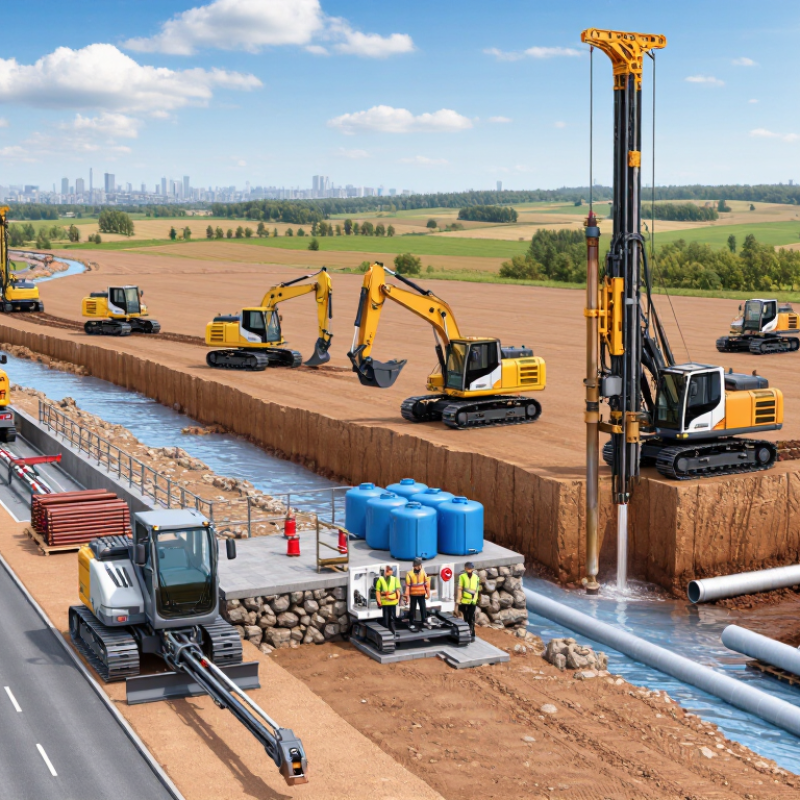
Choosing the right HDD machine can shape productivity, risk, and project cost. Global buyers face different ground conditions, climates, standards, and service expectations. This guide examines ten major HDD machine types used across trenchless construction. They include compact units for residential roads, high-powered rigs for deep crossings, and specialized systems for difficult alignments. Each type responds to a different engineering problem. A rocky urban route needs controlled torque and accurate steering. A long river crossing demands stable pullback force and reliable fluid management. Small details matter. Torque, pullback force, rod length, drilling angle, and mud recycling capacity affect results. Operators also need clear displays, accessible maintenance points, and tested emergency controls. This practical view helps buyers connect brochures with actual jobsite demands.

The discussion draws on equipment specifications, contractor experience, and established industry practices. It considers manufacturer reputation, warranty terms, operator training, and parts availability. Independent test records can strengthen confidence. Safety documentation matters too. Compliance should be verified locally before purchase or import. Yet published figures rarely show the whole story. Real performance varies. Buyers should request references from comparable projects and inspect service arrangements. A machine rated for impressive pullback may still struggle in unstable clay. Supplier support can determine whether a minor fault becomes a costly delay. Training, spare parts, and remote assistance deserve attention. These factors often matter more than a low purchase price. The list is useful, but it is not absolute. Soil conditions, utility density, and local rules should guide the final choice. That assumption can fail. Readers can compare machine classes with greater clarity. The goal is informed selection, not a universal ranking.
Top 10 Types of HDD Machines for Global Buyers?

What Is an HDD Machine and How Does It Work?

Top 10 Types of HDD Machines for Global Buyers?

What Is an HDD Machine and How Does It Work?

A horizontal directional drilling (HDD) machine installs underground pipes, cables, and conduits with limited surface disruption. It usually includes a drilling rig, drill rods, a locating system, mixing equipment, and a slurry pump. The process begins with a pilot bore along a planned underground path. A steerable drilling head creates this narrow channel. An operator tracks its position from the surface and adjusts the head when soil or depth changes.

After completing the pilot bore, the crew enlarges the hole with a reamer. The final pipe is then pulled through the prepared bore. Drilling fluid cools the cutting head, carries soil away, and supports the bore wall. Clay, sand, gravel, and rock each require different tooling and pressure settings. Real sites are less tidy than brochures. Ground conditions can change within a few meters, so production estimates need caution.

Tips: Check maximum pullback force, torque, drilling diameter, rod length, and locating accuracy before buying. Ask for verified performance data and operator training details. A larger machine is not always better. Access limits, transport costs, and maintenance support can matter more. I would also inspect fluid recycling options and emergency controls. Small omissions here can create expensive delays. Proper planning, experienced supervision, and site-specific testing improve reliability across the ten main HDD machine categories.

How HDD Machines Are Classified by Design and Drilling Method

Top 10 Types of HDD Machines for Global Buyers?

Horizontal directional drilling machines are classified by rig design, size, and drilling method. Compact rigs suit narrow urban sites and short utility crossings. Mini rigs handle lighter soil and small-diameter conduits. Midi rigs provide balanced torque for municipal pipelines. Maxi rigs deliver high pullback force for long, deep crossings. Rock rigs use stronger rotation and specialized tooling for hard formations. Dual-rod rigs separate rotation from steering, improving control in mixed ground. Single-rod rigs use simpler assemblies and usually reduce setup time. Slurry systems circulate drilling fluid to stabilize the bore. Dry drilling systems use air or minimal fluid in suitable soils. Steerable rigs combine a locating system with an angled drilling head.

Grand View Research estimated the global HDD market at approximately USD 8 billion in 2023, with steady growth expected through 2030. Global Market Insights also reports rising demand from fiber, power, and water infrastructure projects. These figures support demand, but they do not select a rig for every site.

Soil strength, groundwater, bore length, and required bend radius matter more than headline horsepower. In field assessments, torque ratings can look impressive while pump capacity remains insufficient. That is an easy detail to miss. Buyers should compare pullback force, drilling-fluid volume, rod strength, steering accuracy, and service documentation. Classification helps narrow the choice, but ground investigation still decides whether the machine will perform reliably.

Top 10 HDD Machine Types for Different Projects and Ground Conditions

Top 10 Types of HDD Machines for Global Buyers

Top 10 HDD Machine Types for Different Projects and Ground Conditions

Choosing a horizontal directional drilling machine starts with soil, bore length, and pipe size. Mini HDD machines suit residential services, short fiber routes, and narrow gardens. Compact HDD machines work well beside roads, where access is limited. Utility HDD machines handle medium-length water, gas, and communication installations. Midi HDD machines provide greater thrust for longer urban crossings. Maxi HDD machines support large pipelines, deep bores, and demanding infrastructure work. High-torque HDD machines are useful when oversized tooling meets dense soil. Rock HDD machines combine strong rotation with specialized cutting systems. Rock changes everything.
Fluid-recycling HDD machines help manage drilling mud on long or environmentally sensitive sites. Vacuum-assisted HDD machines improve spoil control and reduce surface mess near existing utilities. Pipe-replacement HDD machines support trenchless renewal projects, especially where open excavation would disrupt traffic.
These ten types overlap in practice. A midi unit may also use rock tooling. A compact unit may need fluid recycling.

Ground conditions should guide the final selection. Soft clay often needs controlled torque and accurate steering. Loose sand may require careful fluid pressure and bore support. Gravel demands durable tooling and frequent checks for wear. Hard rock requires stronger rods, stable downhole guidance, and experienced operators. Wet sites need reliable mud handling and traction.

I have seen projects delayed because machine size was chosen before geology was tested. That approach is tempting, but unreliable. Review bore logs, access width, utility records, and local service support. No catalog replaces a site investigation. Even experienced teams can misjudge mixed ground. Allow room for changing tools, unexpected cobbles, and imperfect drilling data.

Key Specifications for Comparing HDD Machines

Top 10 Types of HDD Machines for Global Buyers

Key Specifications for Comparing HDD Machines

Choosing among the top 10 HDD machine types requires more than checking engine power. The U.S. Federal Highway Administration’s Horizontal Directional Drilling Good Practices Guidelines stresses ground conditions, drilling fluid, tracking, and pullback planning. Buyers should compare rated pullback force, rotary torque, spindle speed, and hydraulic flow. A compact utility rig may offer 90–150 kN of pullback, while heavy infrastructure equipment can exceed 1,000 kN. These figures are useful, but not universal.

Bore length matters too. Check the recommended rod length, maximum product diameter, pilot-bore capacity, and minimum operating footprint. A 3 m rod can improve maneuverability in urban streets, while longer rods reduce connection time on open sites. Fluid pumps should be assessed by flow rate and pressure, not horsepower alone. The National Association of Sewer Service Companies and NASTT guidance both emphasize matching drilling-fluid performance to soil behavior. That detail is often underestimated.

Controls deserve equal attention. Look for real-time torque, thrust, fluid pressure, and locator feedback. Remote diagnostics can reduce downtime, though signal reliability varies underground. Noise, transport weight, mast angle, and setup time also affect total project cost. Buyers sometimes compare only headline force. That is a mistake. My own comparison would also record maintenance access and operator training needs, because laboratory specifications rarely reflect muddy, uneven sites. FHWA guidance remains a useful reference, but local geology can overturn an otherwise “perfect” selection.

How Global Buyers Can Choose the Right HDD Machine

Choosing the right HDD machine starts with the ground, not the catalog. Global buyers may compare compact, mini, mid-size, maxi, rock, vacuum-assist, and utility-focused machines. Each type serves different crossing lengths, pipe diameters, and soil conditions. A compact rig suits short service connections in tight streets. A maxi rig handles long crossings, heavy pipe, and high thrust demands. Rock drilling needs stronger torque, specialized tooling, and reliable mud control.

Study the project before comparing horsepower. Review bore length, entry space, exit space, pullback force, torque, rod size, and expected utility depth. Soil records matter. Clay, sand, gravel, and fractured rock can change the equipment choice quickly. Ask whether the machine can work with local drilling fluids and available maintenance skills. A technically impressive rig may become expensive if operators cannot service it locally.

Check transport dimensions, fuel use, control visibility, safety systems, and spare-part access. Request performance data from similar ground conditions, not only laboratory figures. A larger machine can feel safer, but that instinct may mislead. Oversizing increases transport costs and may damage small work areas. Undersizing creates stalled bores and excessive rod wear. Experienced contractors also examine training, remote support, and documentation in their working language. Leave room for uncertainty. Soil reports are useful, but they are never the whole job. A practical trial plan and honest after-sales commitments often matter more than a dramatic specification sheet.

Company Info

Universal Pumping

625 Apache Trail
Woodstock, GA 30189

Mon - Fri | 9:00 AM - 5:00 PM

Connect With Us

About Universal Pumping

Universal Pumping is staffed with industry professionals with 20-45 years experience with high pressure pumping systems. We represent only the “elite producers” in pump manufacturing: Britain’s EMS and Germany’s EMMERICH. Our engineering and manufacturing approach is conservative, and we do not use “guess work” in the design or sales of our pumping and filtration equipment.