7 Tips for Choosing a High Pressure Piston Pump?

Choosing the right high pressure piston pump is rarely a simple catalog decision. Pressure ratings, flow requirements, fluid properties, and operating conditions must work together. A pump that performs well in a clean water system may struggle with abrasive chemicals, temperature changes, or frequent starts and stops.

This guide explains seven practical tips for making a more reliable choice. It considers real operating details, such as inlet pressure, duty cycle, motor speed, seal materials, and maintenance access. Even small mismatches can cause vibration, overheating, leakage, or premature component wear. Check the manufacturer’s performance curves carefully. Do not rely on a maximum pressure number alone.

Field experience also shows that selection is sometimes less precise than expected. Fluid viscosity can change with temperature. Installation quality can affect performance. Operators may describe pressure requirements differently from engineers. That uncertainty deserves attention. Ask for test data, service records, and clear material compatibility information before purchasing. A reputable supplier should explain limitations instead of promising perfect results.

Think beyond the initial price. A durable pump may reduce downtime, energy waste, and emergency repairs. However, the most expensive model is not automatically the best option. Match the pump to the actual application, then leave a sensible safety margin. Measure twice. Choose once. This approach supports safer operation, predictable output, and better long-term value.
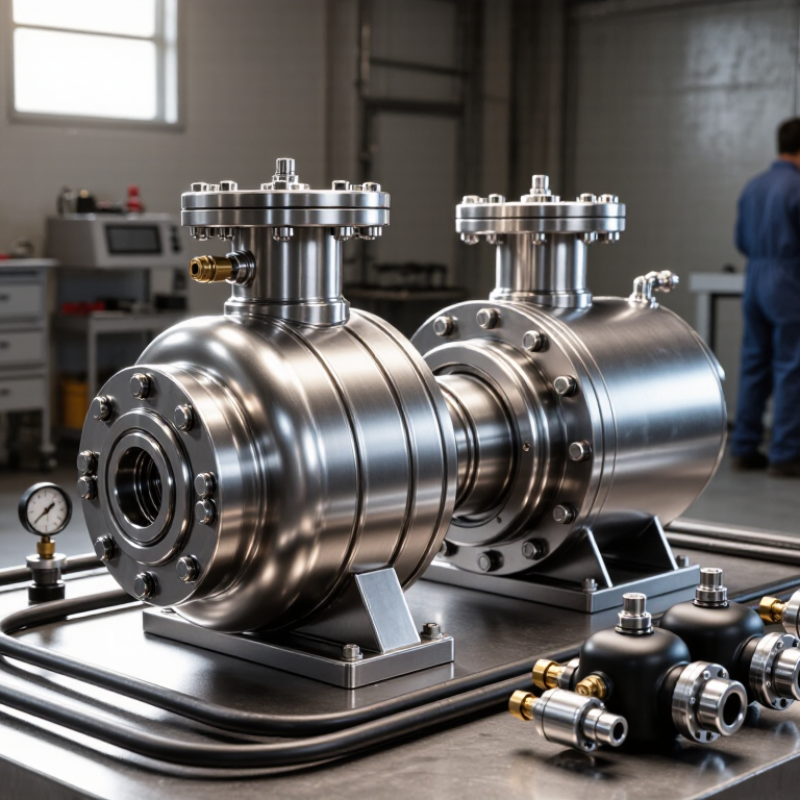
7 Tips for Choosing a High Pressure Piston Pump?

Understand the Working Principles of High Pressure Piston Pumps

A high pressure piston pump uses a reciprocating piston to move fluid through a controlled chamber. During the suction stroke, the inlet valve opens and fluid enters. During the discharge stroke, the inlet valve closes, while the outlet valve opens. This repeated movement creates steady displacement, but not perfectly smooth flow. Pressure comes from system resistance, not from the pump alone.

When choosing a pump, check seven practical points.

Match the rated pressure to the real operating pressure, with a safe margin.

Confirm the required flow at the actual piston speed.

Review fluid temperature and chemical compatibility before selecting seals and valve materials.

Protect the inlet with adequate supply pressure and clean filtration.

Poor inlet conditions can cause cavitation, noise, and early damage.

Consider a pulsation dampener when the process needs smoother delivery.

Finally, inspect access for seal, valve, and lubrication maintenance.

In field evaluations, a pump can appear oversized because its maximum rating looks impressive. That choice may waste energy and increase wear. A smaller unit may perform better when its flow range matches the process. It is also wise to verify the relief system independently. A relief valve protects equipment, but it cannot correct incorrect sizing. I have seen specifications focus heavily on pressure while ignoring inlet piping. That is an easy mistake to repeat. Temperature changes can also alter viscosity and sealing behavior, so operating data should be measured, not guessed.

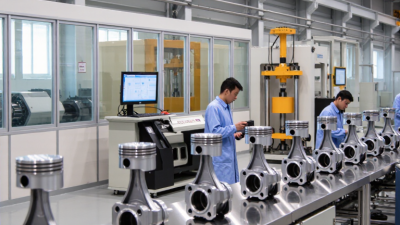
Define Pressure, Flow Rate, and Operating Requirements

7 Tips for Choosing a High Pressure Piston Pump

Define Pressure, Flow Rate, and Operating Requirements

Pressure is not a single number. Record normal, minimum, and peak discharge pressure, plus suction conditions. A pump rated for 1,000 bar may fail early if pressure spikes repeatedly. Hydraulic Institute guidance stresses checking the complete system curve, not only the pump nameplate.

Flow matters just as much. Measure required flow in liters per minute at each operating stage. Include start-up demand, pressure losses, nozzle restrictions, and temperature changes. The U.S. Department of Energy’s Pumping System Assessment Tool guidance identifies system optimization as a major energy-saving opportunity. Its technical resources commonly report potential savings of 20% to 50% in inefficient pumping systems. Small errors become expensive.

Operating conditions need physical detail. Specify liquid viscosity, abrasiveness, gas content, temperature, and chemical compatibility. The Hydraulic Institute’s ANSI/HI 9.6.3 guidance recommends operating near the preferred range to limit vibration and premature wear. In field work, I have seen clean water assumptions cause trouble when fine particles entered the line. A neat spreadsheet can still lie.

Check duty cycle and control method. Continuous operation needs different materials and cooling than brief batch service. Confirm motor speed, relief-valve settings, seal arrangement, and maintenance access. The International Energy Agency reports that electric motor systems consume over 40% of global electricity, making avoidable throttling worth questioning. I would also challenge the first flow estimate. Real processes change. Fresh measurements usually outperform confident guesses.

Evaluate Materials, Fluid Compatibility, and Temperature Limits

7 Tips for Choosing a High Pressure Piston Pump?

Materials determine whether a piston pump survives real service. Inspect every wetted component, including the cylinder, valves, seals, and piston surface. Stainless steel may resist many fluids, but it is not universally compatible. Corrosive chemicals, salts, solvents, and abrasive slurries require different material choices. Small particles can score polished surfaces quickly.

Study the fluid beyond its name. Check concentration, viscosity, pH, solids content, and gas presence at operating conditions. A seal that performs well with water may swell in hydrocarbons or harden in aggressive cleaning fluids. Temperature changes can alter viscosity and chemical behavior. They also affect clearances. Do not rely only on room-temperature test data.

Temperature limits deserve careful attention. Compare the fluid temperature, ambient conditions, startup temperature, and heat created by continuous operation. Thermal cycling may damage seals even when the peak temperature appears acceptable. Ask for data covering pressure, speed, duty cycle, and expected service life. Field records and controlled testing offer stronger evidence than a sales sheet alone. A practical mistake is choosing materials from a compatibility chart without checking the complete assembly. The chart may describe one seal, not the valve seat or coating beside it. Small oversights matter.

Compare Efficiency, Maintenance Needs, and Safety Features

Choosing a high pressure piston pump requires more than comparing maximum pressure. Real performance depends on efficiency, maintenance demands, and protective features.

Check the required flow, pressure, and duty cycle before reviewing specifications. A pump running far above its normal operating point may waste energy. Compare volumetric and mechanical efficiency at your actual conditions, not only at the rated maximum. Review motor size, pressure losses, and control response. Small losses become costly during long shifts.

Maintenance access matters. Inspect whether seals, valves, and plungers can be replaced without removing half the system. Ask for service intervals, parts availability, and clear maintenance instructions. Good filtration protects internal surfaces, while clean fluid reduces premature wear. I have seen pumps fail early because operators trusted visual inspection alone. Pressure readings and operating-hour records reveal more.

Safety deserves equal attention. Look for a correctly rated relief valve, pressure gauges, guards, leak containment, and an emergency shutdown arrangement. Confirm that the pump suits the fluid and temperature range. Test protective devices during commissioning, then record each result. A low-noise pump is not automatically safer. Unexpected vibration can signal cavitation, misalignment, or loose fittings. Do not ignore it. A practical comparison should include energy use, inspection time, repair access, and failure consequences. Some purchasing decisions still overvalue peak pressure. That is worth reconsidering.

7 Tips for Choosing a High-Pressure Piston Pump

Recommended evaluation weighting based on common engineering priorities for high-pressure pumping applications. Efficiency, maintenance requirements, and safety features should be assessed together rather than in isolation.

The percentages represent practical decision priorities, not manufacturer-specific test results. Actual performance depends on pressure, flow rate, fluid properties, operating speed, materials, and service conditions.

Select a Pump Based on Total Cost and Application Reliability

7 Tips for Choosing a High Pressure Piston Pump

Select a Pump Based on Total Cost and Application Reliability

A high pressure piston pump should be judged by more than its purchase price. In field assessments, I compare seven points before approving a selection. Check the required pressure and flow rate first. A pump running near its limit may fail earlier. Confirm fluid compatibility, temperature range, and seal materials. Small mismatches become expensive quickly.

Calculate energy use across the expected service life. Then estimate maintenance labor, spare parts, downtime, and installation costs. Review the pump’s efficiency under actual operating conditions, not only laboratory data. Ask for test records and clear performance curves. Verify whether technicians can inspect valves, seals, and plungers without removing the entire unit. Easy access matters.

Consider duty cycle and the number of daily starts. Examine vibration, noise, filtration needs, and protection against dry running. Check whether replacement parts remain available for several years. Request references from applications with similar pressure and fluid conditions. Reliability is measurable, but not perfectly predictable. I once favored a cheaper unit and underestimated cleaning time; the operating cost proved higher. That mistake still influences my evaluations. Choose a pump with documented service support, realistic safety margins, and a total cost that remains acceptable when conditions become less than ideal.

7 Tips for Choosing a High Pressure Piston Pump? - Select a Pump Based on Total Cost and Application Reliability

Tip Selection Factor What to Verify Practical Screening Guidance Total-Cost Effect Reliability Benefit
1 Match pressure and flow to the duty point Required discharge pressure, normal flow, peak flow, operating hours, and pressure fluctuations Select a pump whose continuous operating point is within the recommended pressure-flow envelope. Avoid sizing only for the maximum pressure if that condition is rarely required. Correct sizing can reduce motor power, throttling losses, and unnecessary capital cost. Operating away from the rated envelope reduces overheating, vibration, seal wear, and premature component fatigue.
2 Check liquid compatibility and contamination control Fluid chemistry, viscosity, temperature, solids content, abrasiveness, and cleanliness requirements Confirm compatibility of wetted metals, elastomers, valves, plungers, and coatings. Use filtration appropriate to the pump design and fluid cleanliness requirement. Compatible materials may cost more initially but can lower seal, valve, and piston replacement frequency. Controlling abrasive particles and chemical attack helps prevent leakage, scoring, sticking valves, and unplanned shutdowns.
3 Evaluate the complete energy requirement Pump efficiency, motor efficiency, variable-speed-drive efficiency, duty cycle, and electricity cost Estimate hydraulic power using Phydraulic = pressure × flow, then account for pump and drive losses. Compare annual energy use at the actual operating profile. For pumps operating continuously, energy and demand charges can exceed the original purchase price over the service life. Lower heat generation and reduced mechanical loading can improve service intervals and component life.
4 Control pulsation, vibration, and pressure transients Number of cylinders, pulsation dampener requirements, piping layout, relief protection, and allowable pressure variation Use a pulsation analysis or manufacturer sizing guidance where stable flow is important. Install a correctly sized relief valve and avoid rapid valve closure in the discharge line. Proper pulsation control can reduce pipe supports, instrument damage, maintenance labor, and replacement of fittings. Lower cyclic stress helps protect piping, valves, seals, bearings, and connected process equipment.
5 Compare maintenance and spare-parts requirements Seal, valve, packing, piston, bearing, and lubricant service intervals; access to wear parts; repair time Prefer designs with accessible wear components, documented procedures, standard tools, and clearly defined preventive-maintenance intervals. Include labor, spare parts, lifting equipment, inventory, and lost production in the lifecycle-cost calculation. Shorter mean time to repair and readily available wear parts reduce downtime exposure.
6 Confirm installation and operating conditions Available net positive suction head, suction-line design, ambient temperature, elevation, foundation, alignment, and motor supply Keep suction piping short and adequately sized, limit unnecessary restrictions, provide correct alignment, and verify that the installation meets the pump’s suction requirements. Correct installation reduces commissioning changes, cavitation damage, vibration-related repairs, and installation labor. Adequate suction conditions and alignment help prevent cavitation, seal failure, bearing damage, and unstable flow.
7 Use lifecycle cost and reliability data—not purchase price alone Purchase price, installation, energy, maintenance, spare parts, downtime cost, safety requirements, and expected service life Compare alternatives using a common evaluation period and the same duty profile. Request test data, maintenance assumptions, warranty terms, and documented operating limits. A useful lifecycle-cost model is: initial cost + installation + energy + maintenance + downtime + disposal. A pump with predictable maintenance, suitable protection, and documented performance generally offers lower operational risk.

Note: Pressure, flow, efficiency, materials, maintenance intervals, and service life vary by pump construction and application. Final selection should be verified against the pump’s technical documentation, fluid data, installation conditions, and applicable safety requirements.

Company Info

Universal Pumping

625 Apache Trail
Woodstock, GA 30189

Mon - Fri | 9:00 AM - 5:00 PM

Connect With Us

About Universal Pumping

Universal Pumping is staffed with industry professionals with 20-45 years experience with high pressure pumping systems. We represent only the “elite producers” in pump manufacturing: Britain’s EMS and Germany’s EMMERICH. Our engineering and manufacturing approach is conservative, and we do not use “guess work” in the design or sales of our pumping and filtration equipment.